
On my birthday last Friday, my father called.
“When are you coming home again?” Continue reading “Turning 28”
On my birthday last Friday, my father called.
“When are you coming home again?” Continue reading “Turning 28”
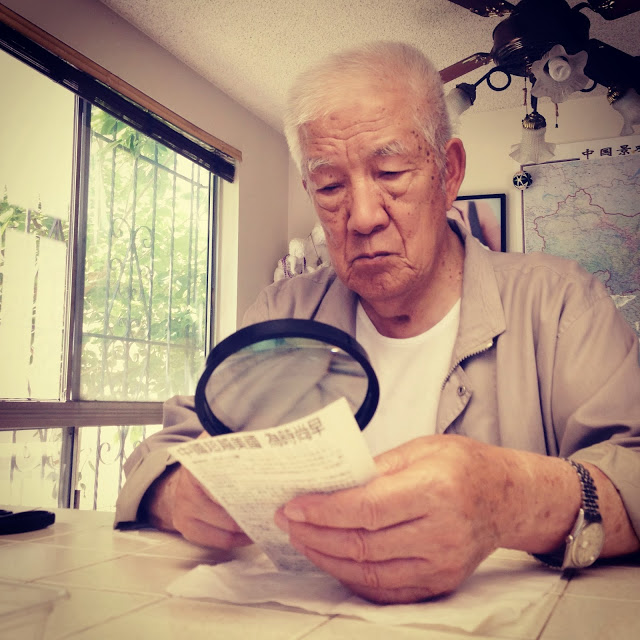 I scrolled all the way down my Instagram today to some thirty-five weeks ago, when I still lived at home. I stopped at this photograph I took of my grandfather, probably on a Monday or Wednesday afternoon, since those were the days I went and had lunch with him. He’s reading a newspaper clipping with a magnifying glass and though I’m taking a photo of him, I was probably reading something too.
 |
My desk today at 4PM. |
This morning I made my father a smoothie with kale, carrots, oranges, frozen berries, and a squeeze of lemon, which is supposed to help the body absorb more nutrients. Continue reading “My Very Highbrow New Year’s Resolutions”
 |
| The view from my window, taken during New York’s first snow. |
I set out to make new friends, but was met at the airport with old chums from middle school. Among the best feelings in the world: being greeted by familiar faces outside an unfamiliar airport. Continue reading “Photo Diary of a Year: Scenes from 2013, Part 3 (The Last Part)”
At the beginning of April, I left the bustle of Asia and came home to this:
 |
| The road. |
I flew to New York to attend Columbia’s admitted student’s night and stayed with Albert, an architectural student from Taiwan whom I’d met many years ago through my cousin. He never slept and smoked like a chimney and was constantly complaining about his monumental workload, but ask him if he’d prefer to be studying anywhere else and he’d shake his head. “New York is where I want to be.” His apartment was my temporary home and despite it being dark, with critical windows facing brick walls, I could see how when life is full and you’re doing what you love (and hardly ever come home because you’re at studio), things like that matter just a little less.
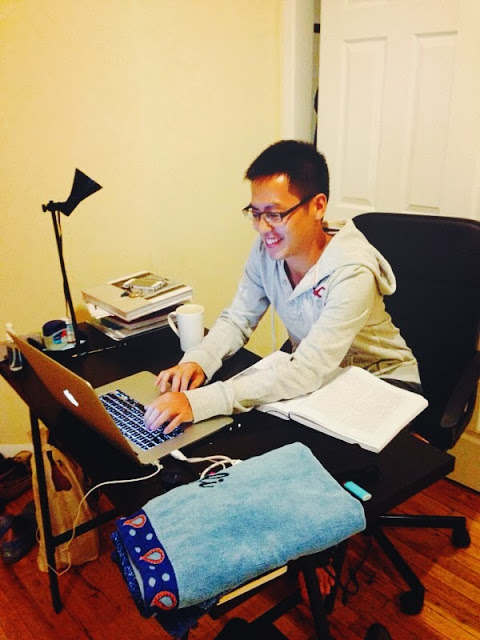 |
| “I haven’t slept in three days,” says Albert, “But I’ll sleep when I’m dead (or when I run out of cigarettes).” |
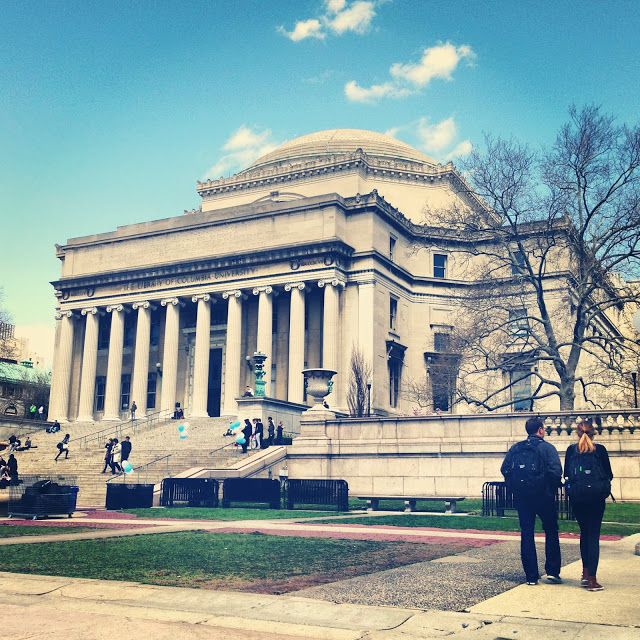 |
| I have yet to set foot inside that building. |
 |
| Because sometimes glasses just don’t cut it. |
 |
| Coworkers who turned into great friends, Grace and Enny. |
…family….
 |
| Babies galore at Lucas’s (on the right!) One Month Celebration held, where else? At Sam Woo’s in Irvine. |
I took a trip to Charleston to see Grace, a cellist who was playing in the Spoleto Orchestra (longer post to come). I fell in love with the south and southern food, but that was expected. I went to my first southern beach and wondered what the hell southern Californians were so proud of. We wore summer dresses. I let my hair down and played bingo and drank with classical musicians who were surprisingly raunchy when they weren’t playing classical music. We walked a lot, ate a ton, and I pretended to understand the opera she got me tickets to.
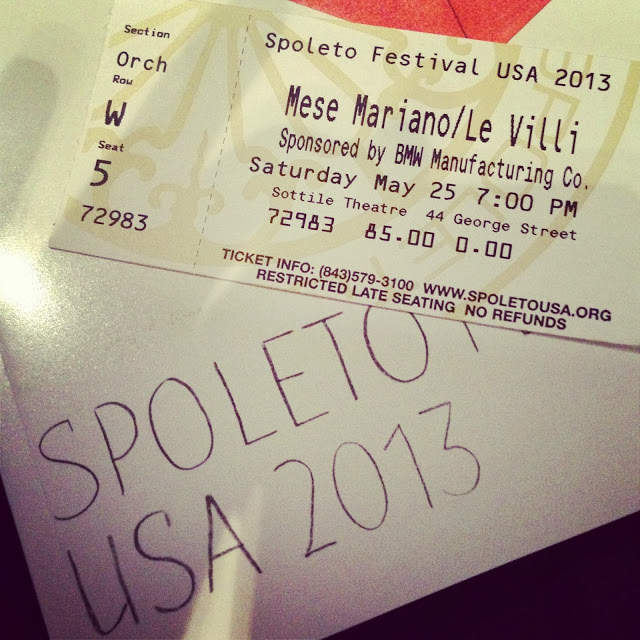 |
| Woohoo, culture! |
 |
| Grace walking at Sullivan’s Beach. |
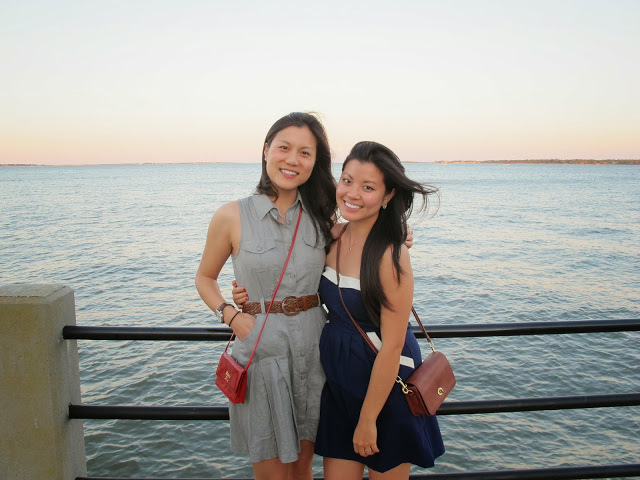 |
| When we weren’t stuffing our faces with fried everything we were trying to walk it off. |
 |
| Like that one ride at Disneyland. |
And immediately after that, my mother suggested an impromptu trip to Kauai. She popped into my room one evening and asked, “How much are tickets to Kauai at the end of May?”
I looked for her, then asked, “Who are you thinking about going with?”
She seemed surprised, “Oh, you! Do you want to go?”
This is what’s called a no-brainer. So we went, just the two of us.
 |
| My mother thinks about her mother. |
On our last day there, we went swimming in the hotel pool, then my mother took a nap while I wrote a letter to my brother. When she woke, I asked her how she felt about barbecue. She said fine. I ordered it by phone and drove to pick it up. My mother stayed in the kitchen, peeling papaya and when I returned, I saw that she’d been crying.
“Mom, what’s wrong?”
She started crying again.
“I was just thinking about grandma.”
“What were you thinking about that made you think of grandma?”
In hindsight, it was a stupid and insensitive question, but I think my mother understood what I meant.
“I am so lucky that my daughter can travel with me and we can spend time like this, but I can’t do that anymore with grandma.”
I hugged her, because you can’t really do anything or say anything but hug a person who misses their dead mother.
“Let’s eat outside on the balcony,” I said, and she agreed.
I poured us each half of the small bottle of wine we’d gotten from the airline and when everything was served, she raised her glass to me, something I’ve never seen her do. My mother is not a big drinker.
“I wish you a good happy life in New York,” she said. Her voice broke and her face crumpled and I choked up too, but did not cry. I said thank you. I said, “I already have a good and happy life.”
 |
| My mother thinks about me. |
At the end of June, it was time to return to Taipei. This trip was much shorter than the first, but no less fun. For starters, my cousin Karen and I returned to Hong Kong:
 |
| Traveling for business, obviously. |
 |
| Before our feet started to hurt. |
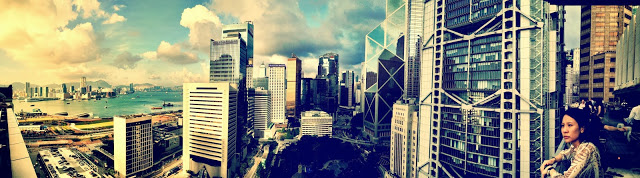 |
| Do this panorama some justice and click on it. |
 |
| Bubbles and my brother’s tears. |
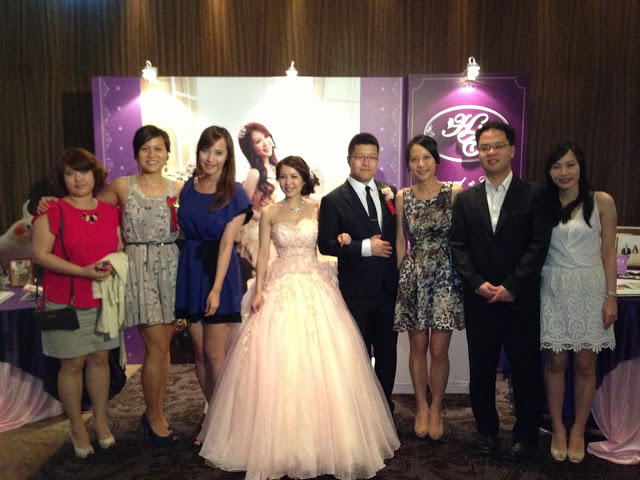 |
| Some Ho’s and then some. |
 |
| My uncle at the office. He looks at numbers, then reads Buddhist scripture, and is in bed by 9PM. Every. Single. Day. |
 |
| My cousin Melody was also home from Boston over the summer, taking a break from breaking hearts. Over Din Tai Fung, we talked about the elusive Mr. Right and the ubiquitous Mr. Wrongs. |
 |
| I ate Chinese food as though my life depended on it, unsure of what awaited me in New York. Pasta, it turns out. |
 |
| And a lot of the time, marveled at the fact that this guy was in a relationship with a girl who really really likes him. “I don’t know why either,” he says. |
I returned to California in the middle of July, hoping to return to a somewhat normal schedule, but it was crunch time. There was another trip to Vegas with the girls I go most often and have the best time with:
 |
| Elevator selfie. |
A short trip to SF. First stop, two nights at Erica and Carson’s:
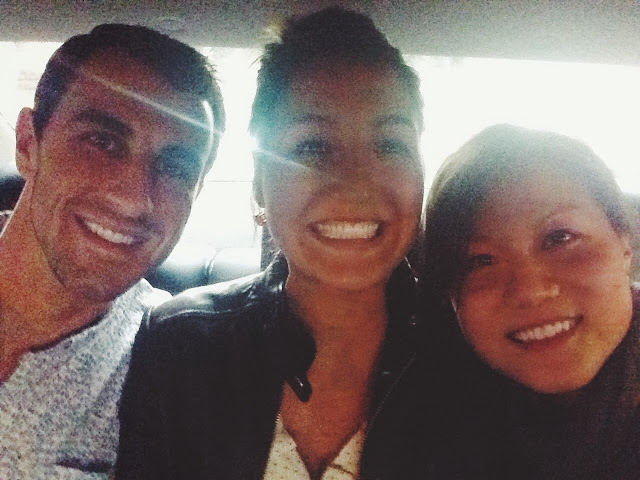 |
| TPE – HKG – SF! Taxicab selfies are now a thing. |
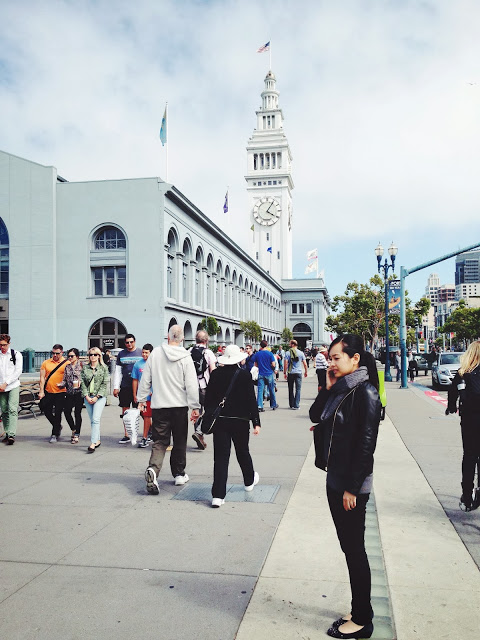 |
| “What about POI? He’s offensive and so is Betty.” |
And the main event: Jaime’s Bachelorette party, which was supposed to be tame but ended up like this:
 |
| The bachelorette and a very drunk man who liked very much to “back it up.” |
My cousin Wendy’s baby shower:
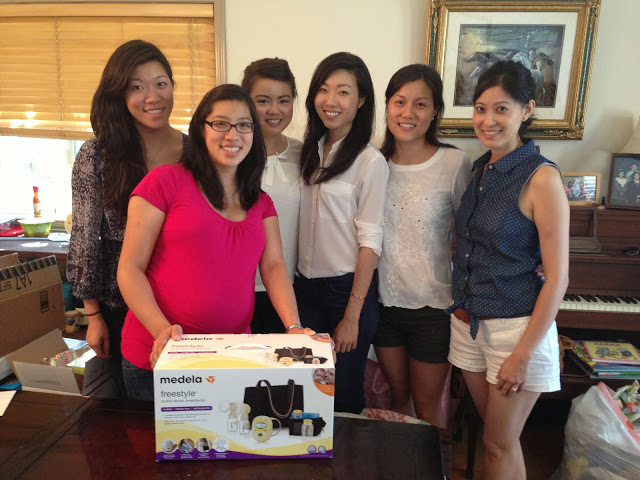 |
| Remember earlier in the year she was in Vegas! |
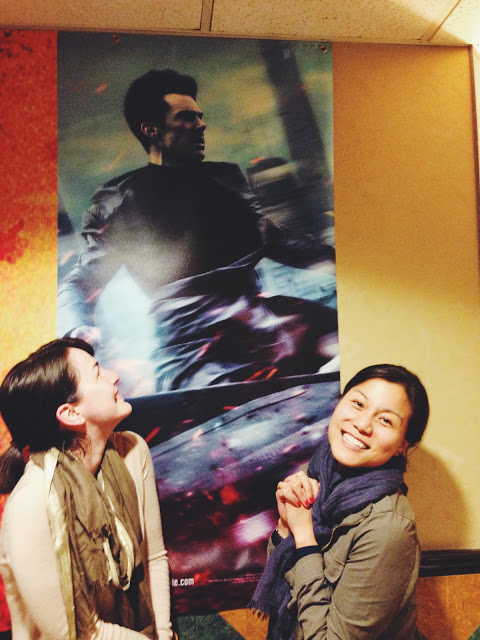 |
| I watched a lot of movies with this girl, equally as obsessed with Benedict Cumberbatch as I was until we realized he was probably gay. But we still really like him. |
 |
| With cousin Michelle in Venice, aping an ape. |
 |
| At plate by plate with Enny, whose outfit was pretty much the talk of the town. |
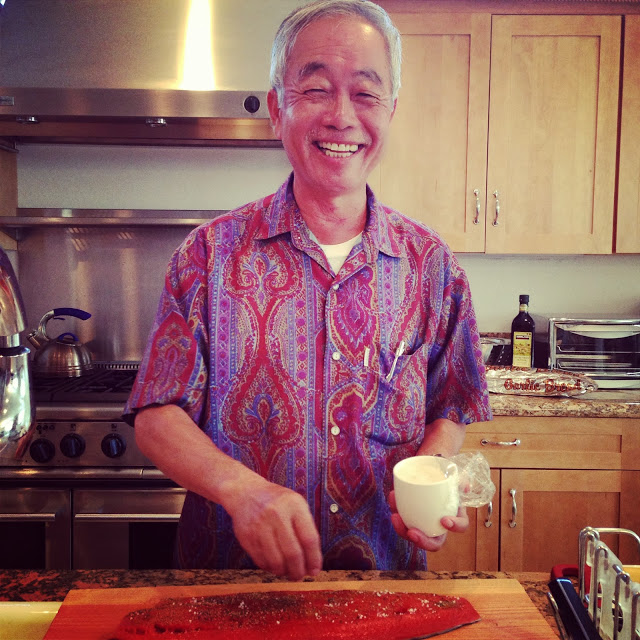 |
| Billy’s dad salting seasoning their salmon during a random weekend at their mansion in Upland. |
 |
| With Angie and Lynn at a Phoenix International event. |
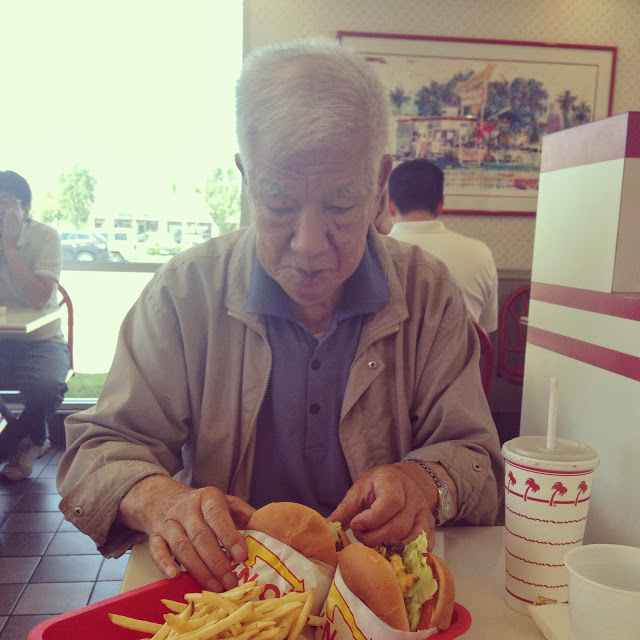 |
| Getting In n’Out with Grandpa. |
 |
| With Auntie Linda, a few days before leaving. |
 |
| Pint-sized houseguests from Taipei. |
 |
| An impromptu mexican feast at Grace’s. |
 |
| The early days. |
 |
| Best moving service ever 🙂 Way better than UPS. |
 |
| And it was never this messy again. |
 |
| Cleaned up and celebrating Charlene’s birthday belatedly, at Robert in Columbus Circle. |
 |
| With bridesmaid Emy, also an old friend from high school and Jaime, one of the most low-maintenance brides in the history of brides. Emy and I always look like her bodyguards. |
 |
| I like to think that some of my photos were better than the wedding photographer’s. |

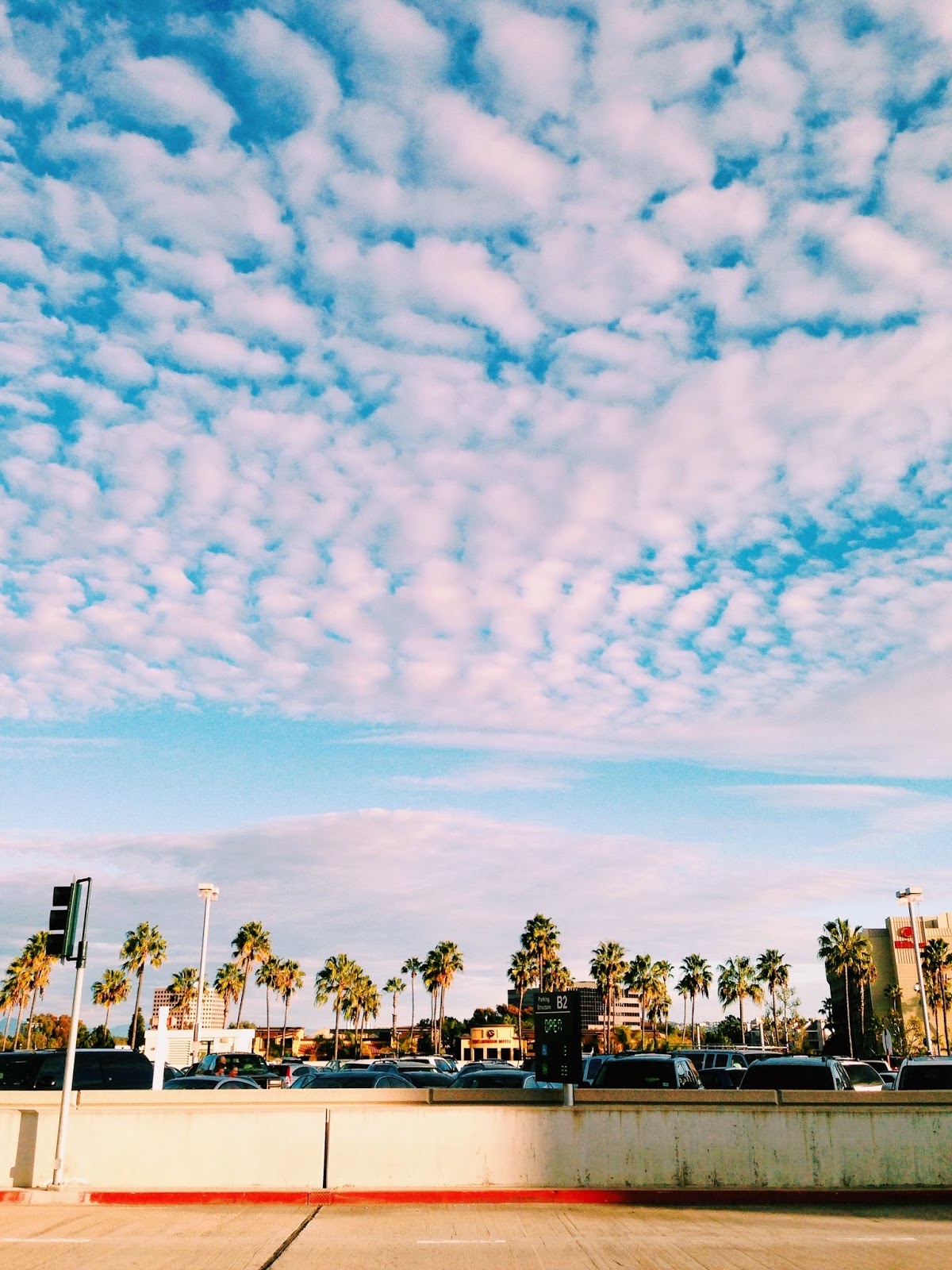 |
| The view outside John Wayne Airport, Terminal C. |
My father, a good man, drove with my mother at his side to pick me up from the airport.
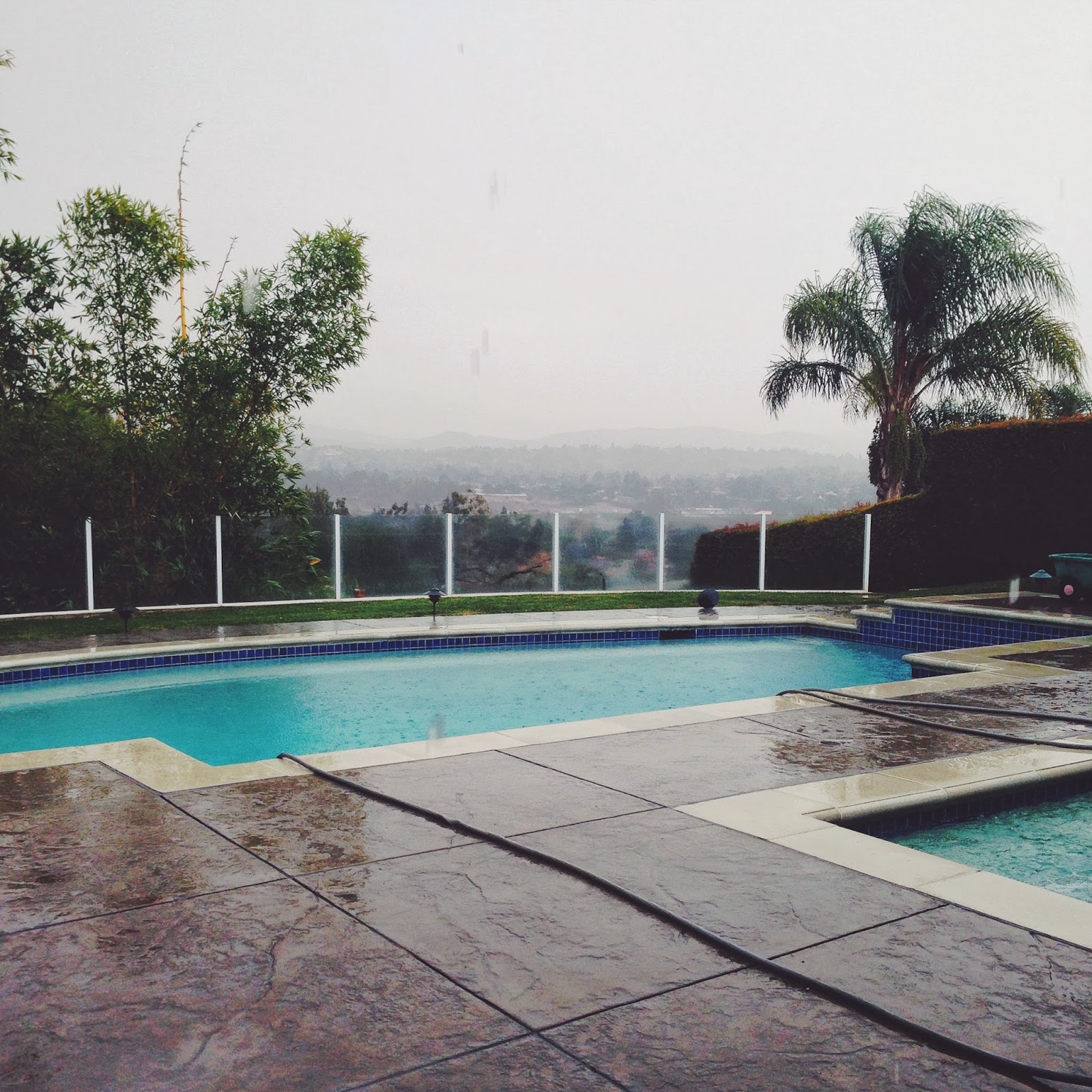 |
| I guess I brought it with me (the rain, if you can’t see it). |
It rained on Thanksgiving day. Loving as my parents are, they had other plans for Thanksgiving dinner, and I found (or invited myself) to dinner at uncle Jimmy’s house. I picked my grandfather up at 6PM. He had not wanted to go, preferring (outwardly) to stay home alone. Thanksgiving was very close to his wife’s passing and was the first holiday he spent without her. But he came with me and was seated next to the youngest member of the family.
 |
| Grandpa, who is a fussy eater, and baby Caden, who is not. |
My uncle Jimmy carved the turkey (from Lucille’s – a delicious deal if you’re not in the mood to make turkey).
 |
| Uncle Jimmy, the turkey, and his trademark grin. |
My grandfather had a shot of Jameson from a wine glass and began to giggle shortly afterwards. He was in a pleasant mood that night and I could tell he was glad to be there and not home alone.
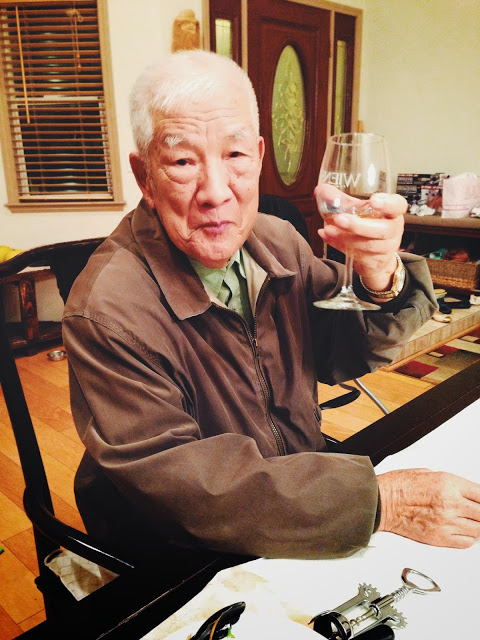 |
| “You talk too much, Betty,” is what he normally says. But on Thanksgiving, he simply said, “Cheers.” |
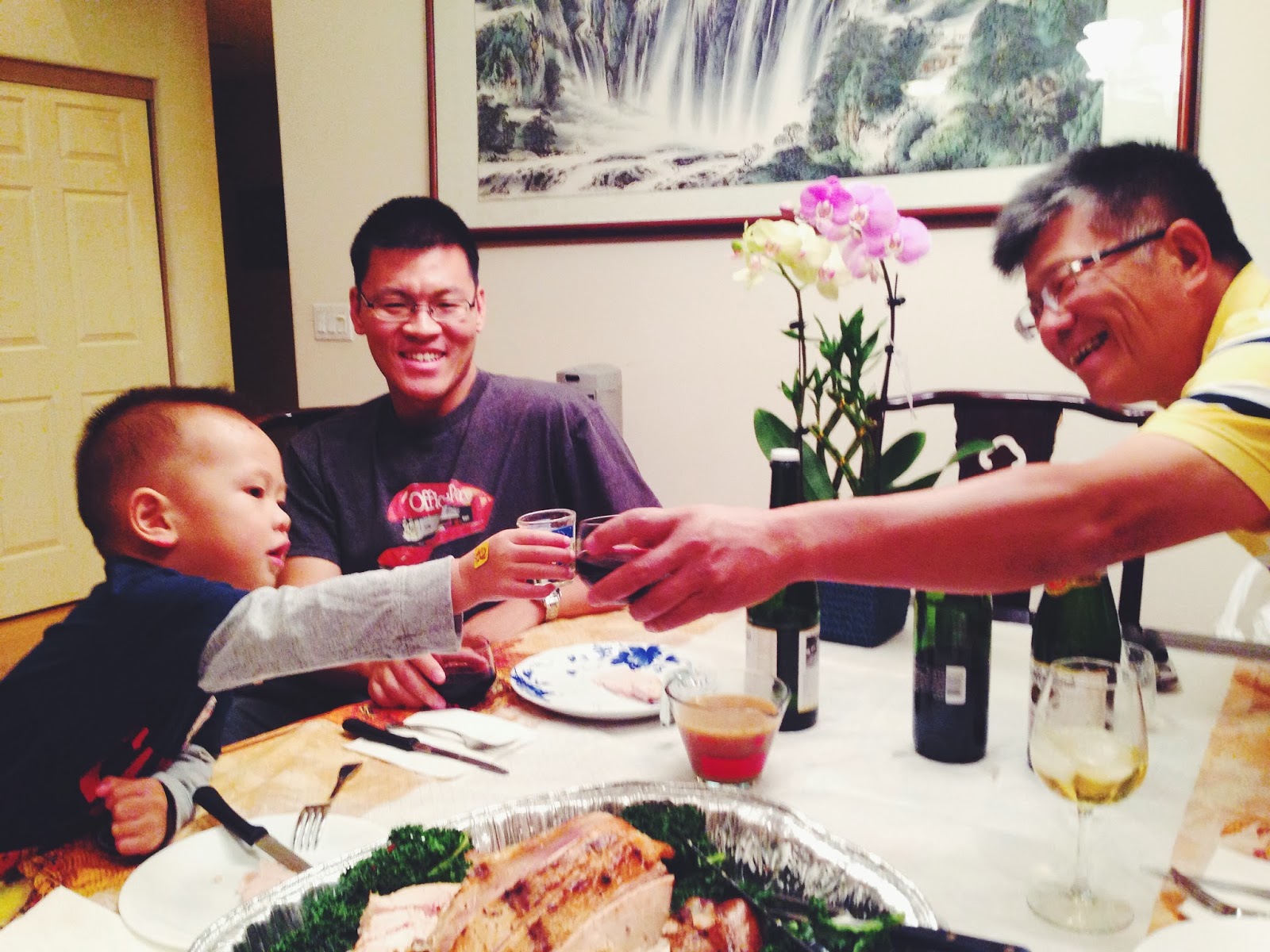 |
| My uncle toasts his grandson. Good habits start early. |
The next morning, I woke to the sound of aerobic counting and found my mother, a family friend, Uncle Jimmy and my aunt exercising in the entryway. My aunt and uncle come over early at 7AM, as they’ve been doing ever since the summer, when my mother was diagnosed with Parkinson’s disease. Uncle Jimmy takes her and a family friend who also has Parkinson’s through a rigorous regimen of exercises. The point is to hold off on medications for as long as possible, and uncle Jimmy, who eats like a horse and drinks like a fish but is at his core a doctor of eastern medicine, drives an hour round trip every day to do this for his older sister before heading off to work or to teach more classes. My father makes breakfast for them afterward and that morning, he greeted me with a glass of freshly blended fruit smoothie.
“What fruits do you want in it?”
“Anything,” I said.
“I know just what you’ll like,” he said, and he was right.
When he learned my mother had Parkinson’s he watched her cry for a minute then told her calmly not to worry.
“I will put your shoes on for you when you are no longer able to,” he said.
My mother nodded, recalling that as a young woman she had dreamed about marrying a romantic man who would walk through the rain with her. My father hates the rain, but still, she had found that man.
 |
| “A good man (like me) IS hard to find,” my father says. |
I took a walk on the road I always walk on. It had not yet started to snow in New York, but on that road it would not be strange to ask, “What is snow?”
 |
| A street near my street. 80 degrees that day. |
In the evening the entire family gathered at the Orange Hill Restaurant for Thanksgiving dinner after Thanksgiving. My brother and his wife were not there, but they were moving back from Shanghai and would join us for Christmas. We took many photos together, including the one below of the girl cousins and one male cousin-in-law, Lawrence, a new father to a baby girl.
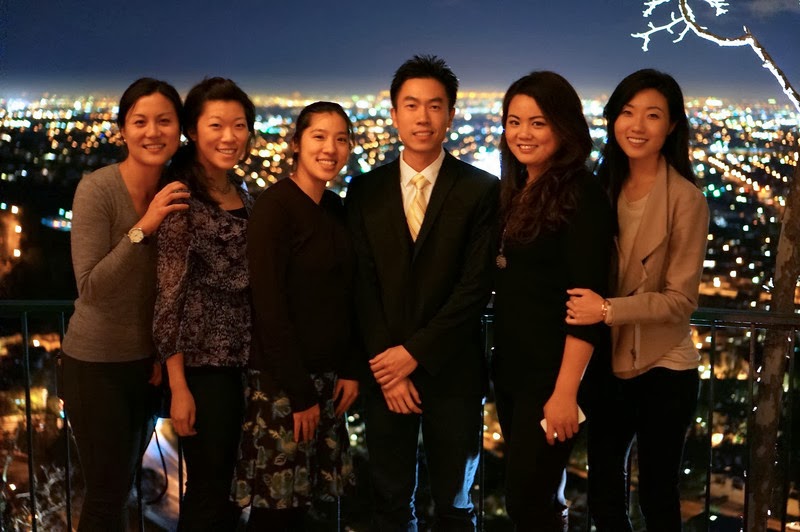 |
| Cousins. And who is that stud? |
The next day, the family assembled again, though this time all in black. We found ourselves at the same cemetery and afterward, the same vegetarian restaurant as a little over a year ago, when my grandmother passed away. It was the funeral of a very peculiar man, my uncle Louis’s father who had smoked two packs a day until he turned ninety-six and simply decided to quit. He died quietly at 100, battling nothing really, but time.
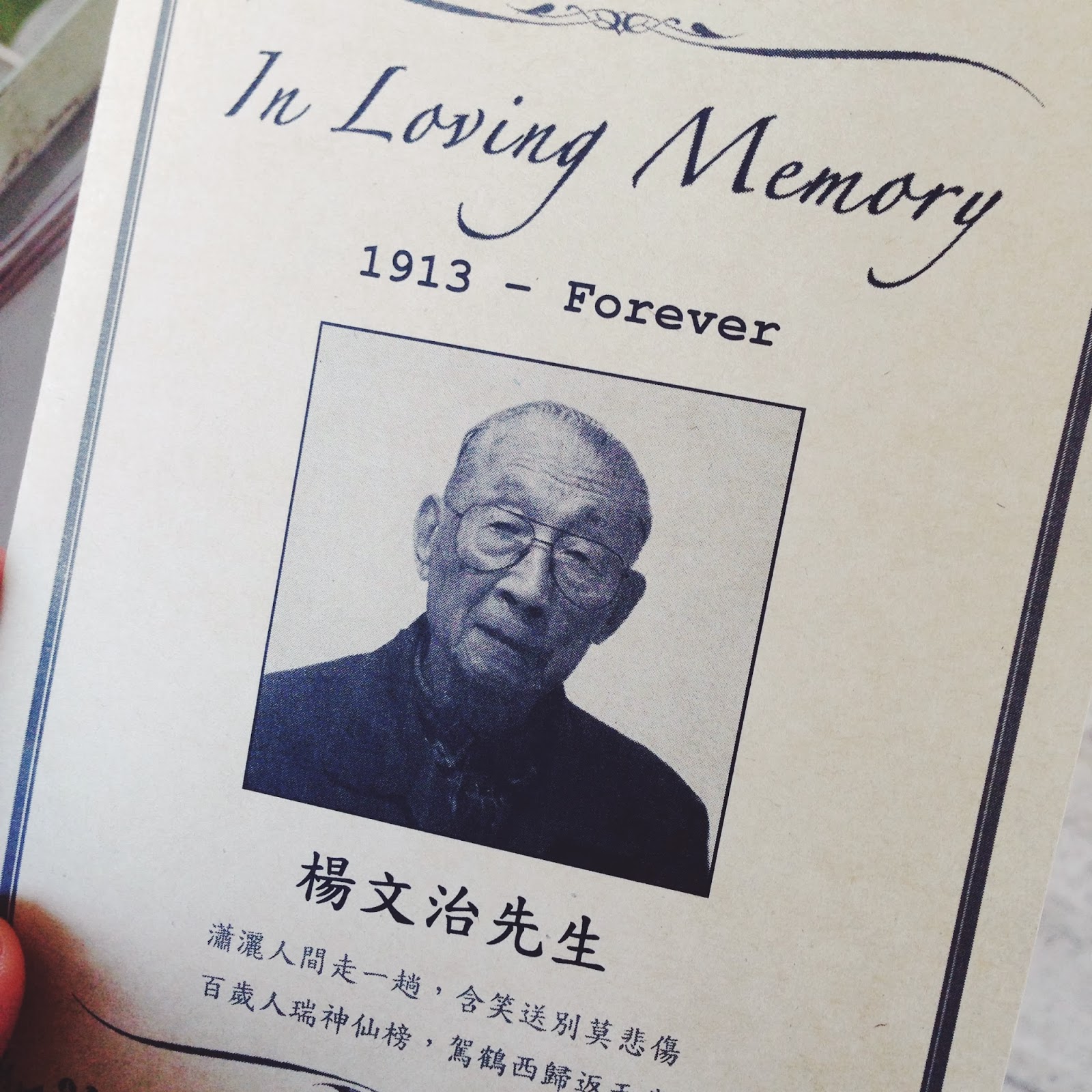 |
| Mr. Yang, Sr.: Laconic, stylish, (almost) everlasting. |
Later that evening, I reunited with my childhood friends in a childhood home for an annual leftover party, in which we simply show up and eat Grace’s leftovers. It is infinitely more scrumptious than I am able to make it sound. Smiling, Grace baked me a pecan pie.
 |
| She may be smiling, but she’s thinking, “The Chinese middle class can suck it.” |
 |
| Friends with pie. |
After dinner, we took turns holding her nephew, a child of improbable cuteness, and above his soft, fragrant head, talked about life and other things.
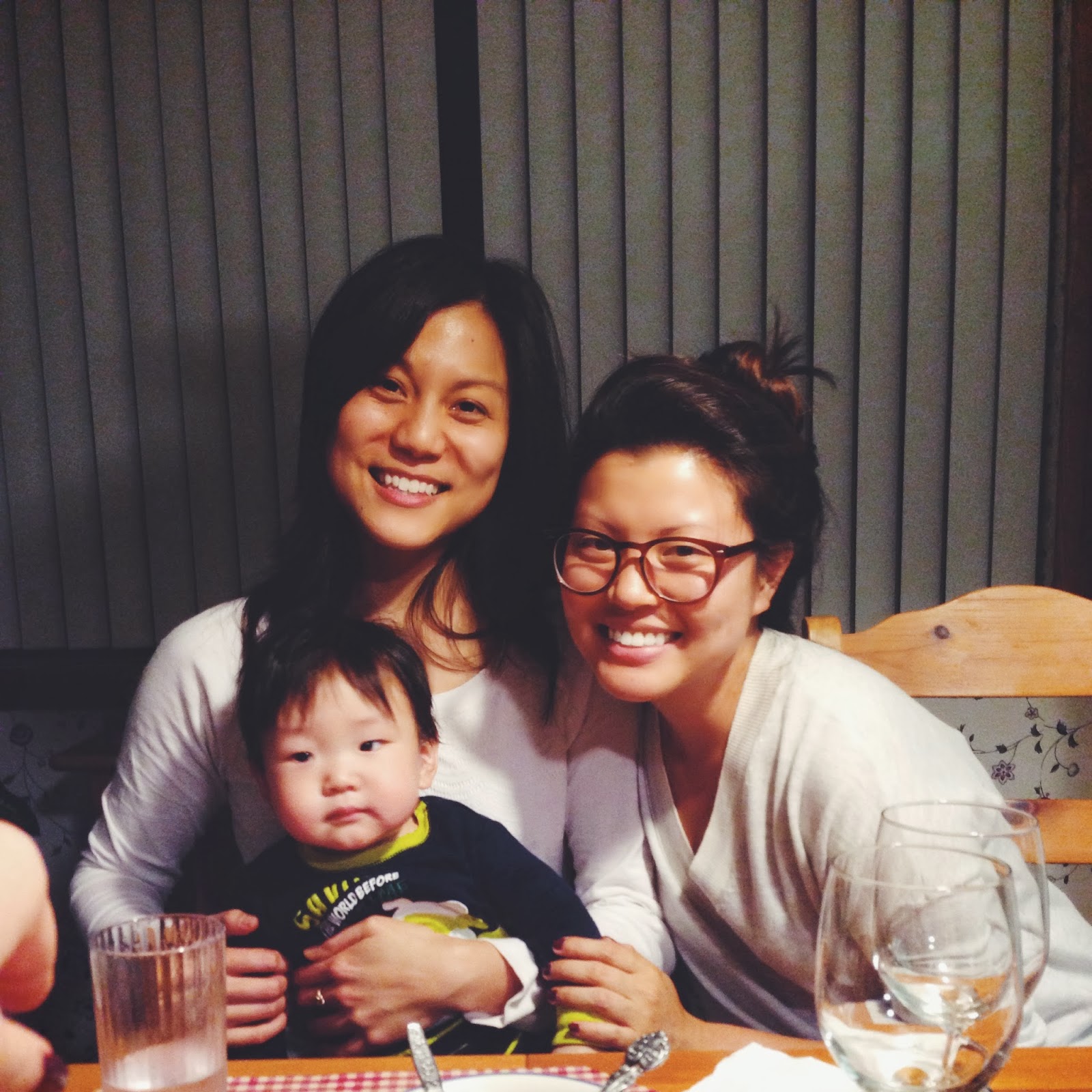 |
| Modern Family |
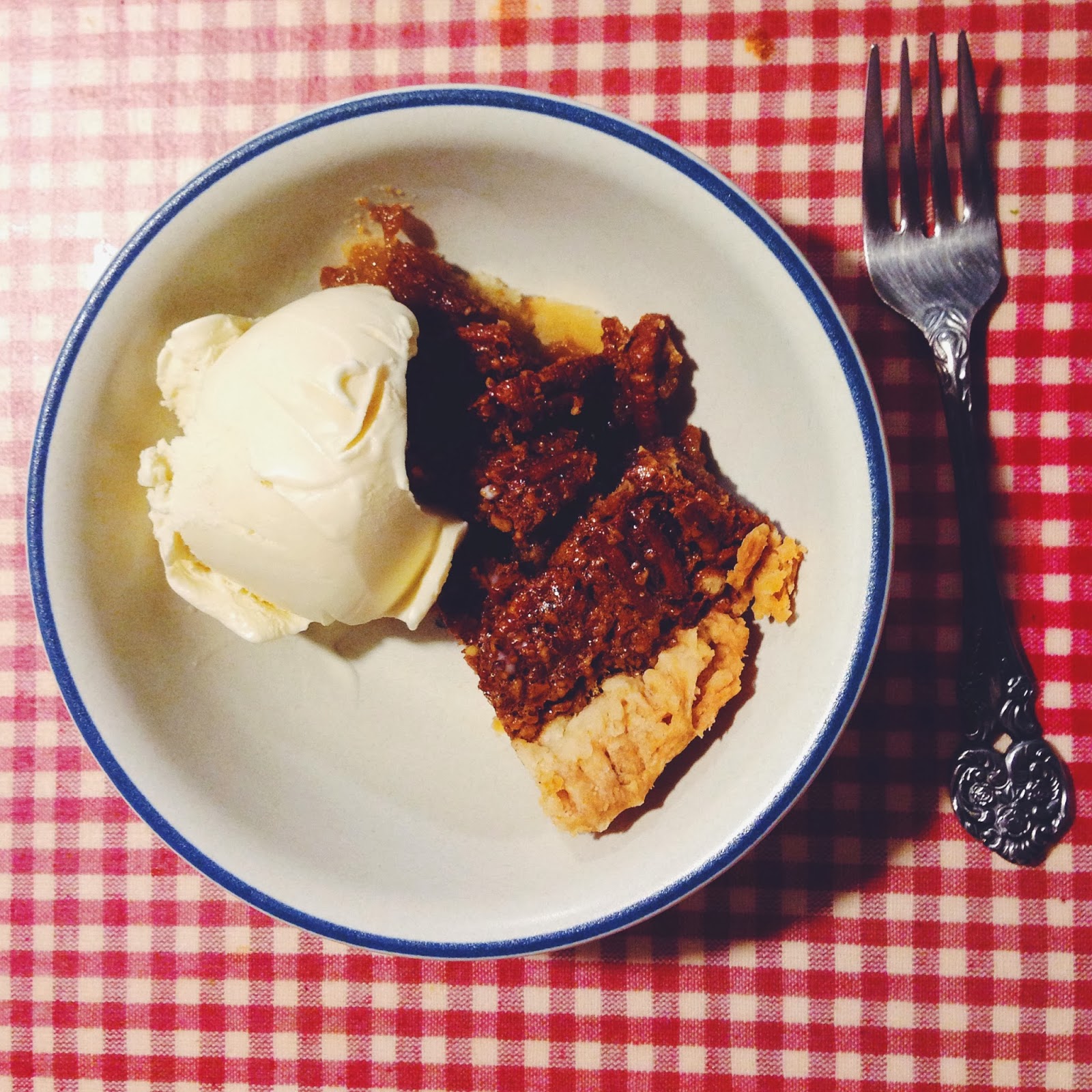 |
| The End. |
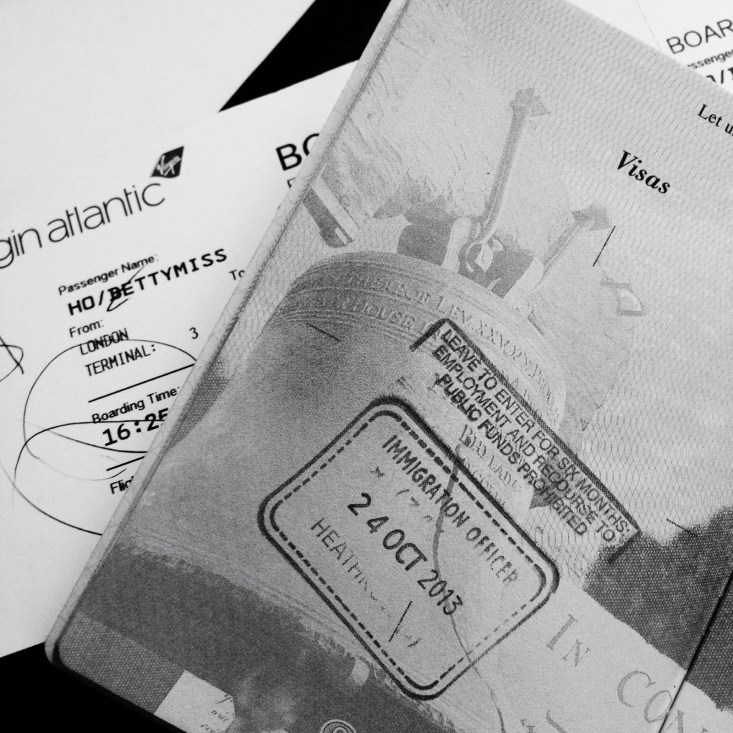
Two weeks before I moved to New York, my new passport arrived in the mail. Continue reading “The First Stamp”
A year ago today, my grandmother passed away. The day would have gone by without my having given her or my grandfather a second thought had my mother not called me.
It was only 7:30AM back in California and I thought it strange to see my mother’s name flashing on the screen. She’s not one to wake too early, especially not on a Sunday, but I guess this isn’t like most Sundays. When the phone rang, I was standing in the kitchen, mid-sentence with a friend who had spent the night. We were talking about men and blogging. Things important to we the living. I picked up the phone and greeted my mother with the slightest impatience but became quiet when I could hardly hear her speak. She wasn’t crying and did not sound sad, but she seemed reluctant to let her voice rise above a certain octave. She was hesitant to remind me of something. She, along with everyone else, knows that in New York I’m having what is known as “a good time.”
I told my mother that my friend was visiting, hoping she would say, “Oh okay, I’ll call back later,” but instead she said a hollow, “Oh that’s nice,” and finally, after a soft “hmmm,” said, “You know, today marks one year since grandma’s passed away.”
“Oh my God,” I said, “It’s been a year.”
“Yes, so fast,” my mother said softly, “We’re going to her grave later, the family.”
I thought to my grandfather and asked after him, knowing that I would not under any circumstances call or speak to him today. Or tomorrow. Or the day after tomorrow.
“He’s…” my mother hesitated, “he didn’t feel well last night.”
“How so.”
“He felt last night he couldn’t breath and complained of a stomachache. Your aunt Joannie went to visit him and she found him lying huddled on the couch. It made her sad, your aunt said. Just an old man in a cold house, lying huddled on the couch. He told her he felt very cold and very ill.”
“It’s stress,” I said, not sure if I was using the right word in Chinese, “Today is a terrible day for him and it stressed him out last night. I would probably feel sick too.” But I knew exactly which couch and how cold. The house had been warm in theory when my grandmother was alive and well and it was filled with the smells of her cooking and lots of bodies coming in and out to eat with them. But in the winter, when the stove was off and it was just the two of them, when they were napping or quietly playing solitaire, the house could get incredibly cold. It was two stories, the second of which they never ventured to, and possessed an old heating system that struggled against the high ceilings and thin, drafty windows. I often walked in on winter evenings to find grandpa wearing a cap, hands stuffed into the deep, fleece-lined pockets of a black puffy down jacket my cousin Andrew had passed down to him. I would sit and chat, fully aware that my fingers and toes were turning purple.
“The heater…” I would say, and most of the time, grandpa would respond, “Such a waste. Just two people in a big house. We don’t need it.”
I didn’t know how to say ‘heartache’ in Chinese, or not the way I wanted to say it. I knew to say, “Heart hurt,” which was accurate, but for some reason, when applied to Grandpa, seemed just the opposite. It didn’t go with his tough-guy mien. But in any language it is apt, there is no better word for it. Still, I didn’t use it.
I could sense my mother nodding on the other end, looking off somewhere.
“He said he did not feel very good at all.”
“Are you guys going to take him to see the doctor?”
“I don’t know,” my mother said, “We’ll see.”
I looked over to my friend, who knew my family well and knew that my grandmother had passed away. She looked concerned, but I didn’t want her to be. There wasn’t much to be done from here, by either of us. I wanted to hang up and continue talking about men, about blogging, about the future.
“Well,” my mother said after a short silence, “Tell Angie we said hello.”
I said goodbye, almost adding, “I hope Grandpa feels better,” but stopped myself. It wasn’t a cold he had.
Certain days in New York, when I’m walking down the street and see an elderly man or woman sitting alone on a park bench or shuffling slowly somewhere, I remind myself to call my grandfather to see how he’s doing. Mostly, I know. Or I think I know, in the general way you think you understand the feeling that comes with losing someone you’ve been married to for nearly seventy years. So I don’t know. I just know what he’ll say when I call to ask, “How are you doing?”
“Ma ma hu hu,” he’ll say, the Chinese equivalent of “same old, same old,” or more accurately, “Whatever.”
Most days, he means this to be funny. My grandfather likes to play Negative Ned to my Positive Polly. It’s our special thing – he thinks I’m a ridiculous smart-ass ray of sunshine, mostly because he doesn’t read my blog and also because with him, I steer clear of certain topics that once broached would make me cry until I had no tears. I don’t always want to cry when I see him. Most of the afternoons we spent together were mild, happy affairs. I cooked a simple meal we would eat together, then I would ask him to split a dessert with me. He would say no. I would shrug and say, “Your loss.” He would chuckle, arms crossed over his chest and shake his head.
“You complain about gaining fat and you always always eat dessert.”
In between bites of chocolate ice cream or cookies or cake I would nod, “Very astute, Grandpa.”
And it went like that. I’d clear the dishes. He’d watch the Chinese news, read another article or two from the Chinese World Journal, and between 1 to 1:30PM, would stand up slowly, wincing as his bones creaked and say, “Nap time, nap time.”
I’d nod and say “Good night,” and he would roll his eyes because it wasn’t nighttime.
“It’s good afternoon,” he’d correct me.
“Good afternoon,” I would stand corrected.
He would nap for an hour. Sometimes, I slept too, lying on the couch in front of the TV with a book on my belly. Grandma used to nap here, and when she was here and I was here, she’d nap in the bedroom and let me have the couch. Now, Grandpa would wake before me and come back quietly to take his seat at the dining table. He would read like a literary phantom behind me until I woke and realized the time and turned to find him there, still and scholarly. An ancient man in a modern Chinese-American painting.
“I’ve been awake for a while,” he would say, and I would rub my eyes and yawn dramatically, kicking my legs out and stretching my arms past the edge of the sofa towards the garden my grandmother used to tend to but is now under grandpa’s care. I’d feeling comfortably childish like a granddaughter just risen from a warm delicious nap and who together with her grandpa, was waiting for grandma to wake too.
But it remained just the two of us for a good part of the afternoon. Grandpa would move to his favorite chair in front of the TV, turn it on in time for a travel-through-China show he liked to watch, and I’d read some more back at the kitchen table. Sometimes I would go to the garden and collect some snow peas, yam leaves or tomatoes and grandpa would be pleased, because he chose to keep watering the plants his wife had loved so much rather than let them wither. Sometimes I would vacuum and grandpa would lift the chairs even though it strained his back. Sometimes we’d talk, though hardly about grandma. And around two or three, I would get ready to go.
I’d stand up and start packing away my books and magazines. He would look up and say, “Going?”
“Going,” I said, “I’ll see you __,” whatever day I was scheduled to come next, though it was a self-imposed thing. I was unemployed and needed structure. Even more, I think, than Grandpa. I’d take my bag, wait a bit while grandpa rose from his chair to let me out, and I’d walk down the driveway towards my car, which was always parked across the street along the neighbor’s curb, beneath a shady tree.
He’d stand in front of the drafty old house, with its red brick and wrought iron front gate. The small, two door garage filled with old Chinese school textbooks and odds and ends from various points of their grown children’s and their children’s lives. Old Christmas gifts and filing cabinets. Large stock pots and steamers my grandmother had used during Chinese New Years’ past. There was a single rose bush near the living room window. There he would be, standing slightly stooped with his arms behind his back, a ballast of sorts, holding down this fort that was and was not his.
“See you later, Grandpa,” I always called out from my window. He’d smile and wave and, seeing my car wend around Sunshine Park and out of sight, he’d slowly turn and go back inside.
In those summer months before I left for school, I didn’t worry about whether he would feel cold. Alone, of course, but not cold.
“You did it again, didn’t you,” my father said.
He called me this morning asking about the package they received from Amazon, with my name on it.
I slapped my forehead.
“Oh my god,” I groaned, “I did it again.” Continue reading “The Long Game”
 VERY HIGHBROW