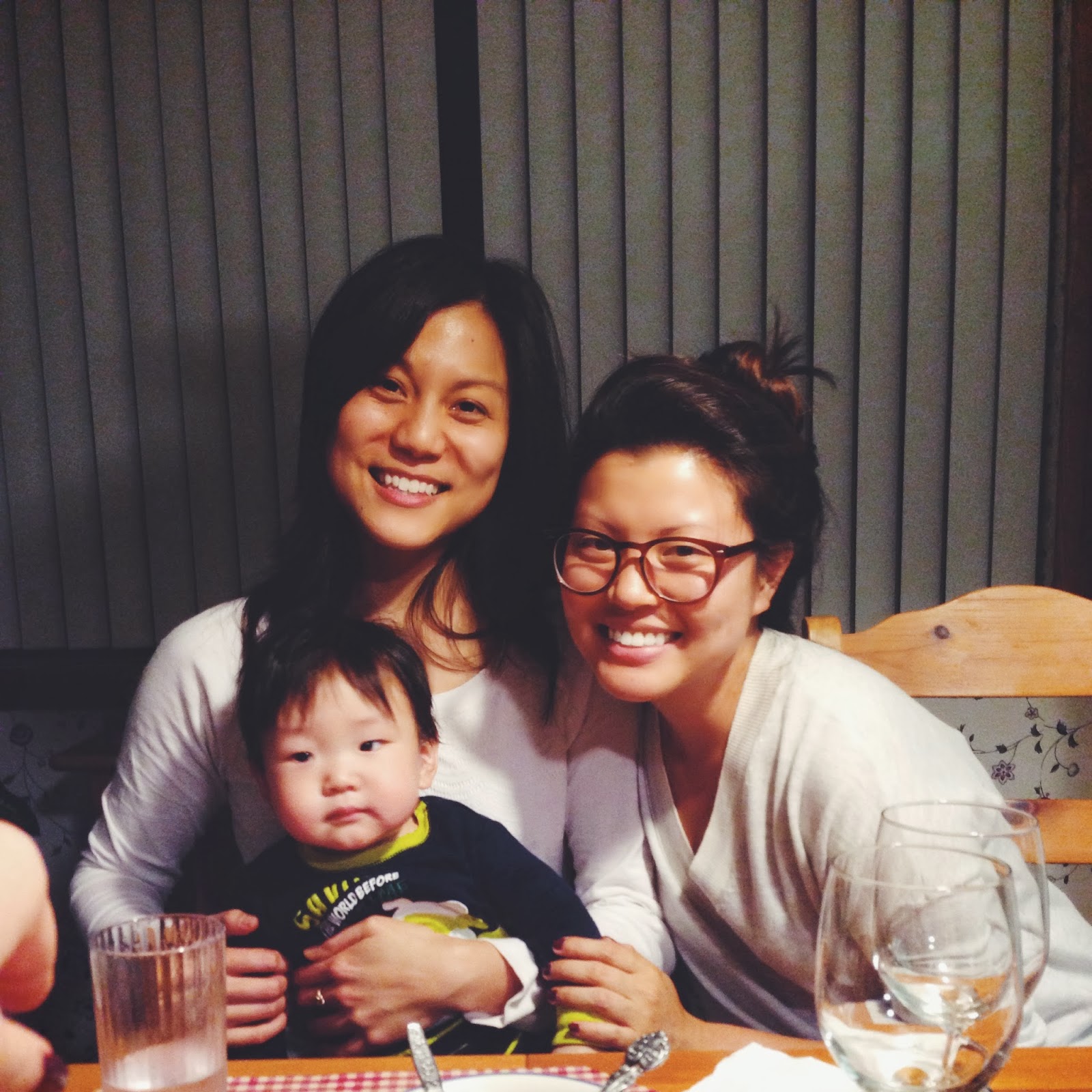
Photo Diary of a 2013, Part 2

At the beginning of April, I left the bustle of Asia and came home to this:

The road. 

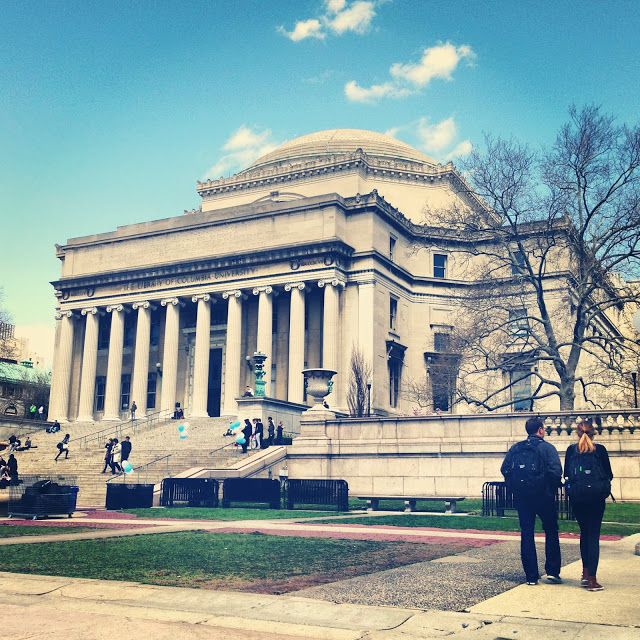
I flew to New York to attend Columbia’s admitted student’s night and stayed with Albert, an architectural student from Taiwan whom I’d met many years ago through my cousin. He never slept and smoked like a chimney and was constantly complaining about his monumental workload, but ask him if he’d prefer to be studying anywhere else and he’d shake his head. “New York is where I want to be.” His apartment was my temporary home and despite it being dark, with critical windows facing brick walls, I could see how when life is full and you’re doing what you love (and hardly ever come home because you’re at studio), things like that matter just a little less.

“I haven’t slept in three days,” says Albert, “But I’ll sleep when I’m dead (or when I run out of cigarettes).”
I was, obviously leaning towards Columbia but two things helped seal the deal: 1. They gave me more money. 2. I found my dream studio, minus the nightmare of five flights of stairs and no elevator. Also, the passionate urging of others helped. “It’s New York! What the hell are you going to do in the middle of butt-fuck nowhere North Carolina or West Virginia! New York, Betty! New York!!! Every writer’s dream!”  
I have yet to set foot inside that building. 
With the minor detail of where I was to spend the next two years of my life out of the way, it was time to settle into a peculiar routine: three days a week I lunched with my grandfather. I would get to his house around 11AM, read for a half hour, then put together a simple meal while he watched TV or read the paper. We’d eat, chat about things – sometimes he would tell me stories, sometimes he would be quiet and shake his head, wondering what was to become of me. All the time he would think about his old half, my grandmother. Lunch was always short, a thirty minute affair at the end of which I would clear the dishes and ask him if he wanted dessert. 
“None for me,” he would say. But I would push and push and eventually he would share a pineapple cake or have a bite or two of ice cream. We would read for a half hour more and he would retire to take a nap. I would move to the couch and try to continue reading, but eventually, the whirr of the water pump in the fish tank, the breeze from outside and the warming afternoon sun would cause me to nod off and for an hour Grandpa’s house would be silent but for the slow, even breath of an old man and a young woman, an anchor and a sail. 
Because sometimes glasses just don’t cut it. 
And around these afternoons I saw friends… 
Coworkers who turned into great friends, Grace and Enny. 

 …family….

Babies galore at Lucas’s (on the right!) One Month Celebration held, where else? At Sam Woo’s in Irvine. 
May rolled around and I turned twenty-seven. A damn good age, if you ask me. 


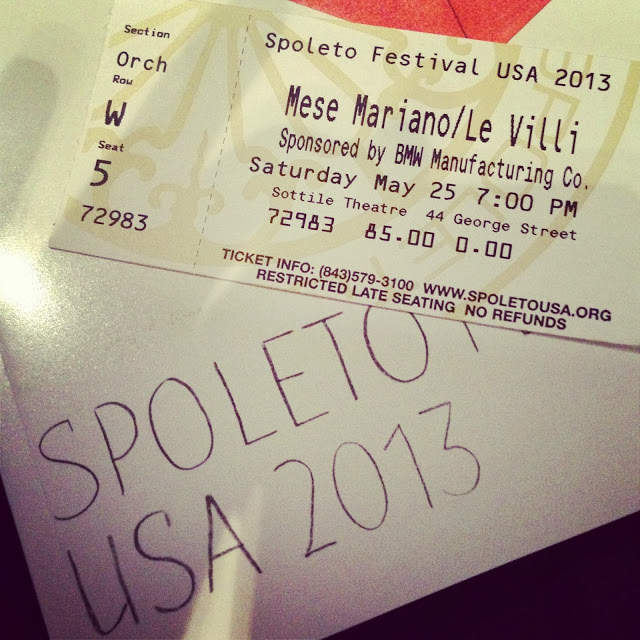
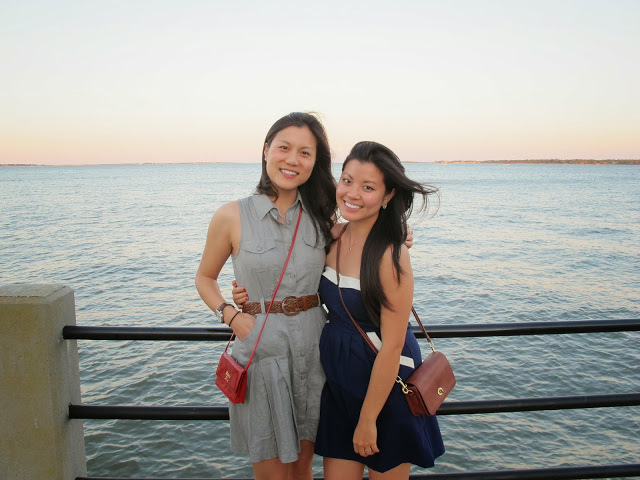
I took a trip to Charleston to see Grace, a cellist who was playing in the Spoleto Orchestra (longer post to come). I fell in love with the south and southern food, but that was expected. I went to my first southern beach and wondered what the hell southern Californians were so proud of. We wore summer dresses. I let my hair down and played bingo and drank with classical musicians who were surprisingly raunchy when they weren’t playing classical music. We walked a lot, ate a ton, and I pretended to understand the opera she got me tickets to.

Woohoo, culture! 
Grace walking at Sullivan’s Beach. 
When we weren’t stuffing our faces with fried everything we were trying to walk it off.  
Like that one ride at Disneyland. 

And immediately after that, my mother suggested an impromptu trip to Kauai. She popped into my room one evening and asked, “How much are tickets to Kauai at the end of May?”

I looked for her, then asked, “Who are you thinking about going with?”

She seemed surprised, “Oh, you! Do you want to go?”

This is what’s called a no-brainer. So we went, just the two of us.

My mother thinks about her mother. 

On our last day there, we went swimming in the hotel pool, then my mother took a nap while I wrote a letter to my brother. When she woke, I asked her how she felt about barbecue. She said fine. I ordered it by phone and drove to pick it up. My mother stayed in the kitchen, peeling papaya and when I returned, I saw that she’d been crying.

“Mom, what’s wrong?”

She started crying again.

“I was just thinking about grandma.”

“What were you thinking about that made you think of grandma?”

In hindsight, it was a stupid and insensitive question, but I think my mother understood what I meant.

“I am so lucky that my daughter can travel with me and we can spend time like this, but I can’t do that anymore with grandma.”

I hugged her, because you can’t really do anything or say anything but hug a person who misses their dead mother.

“Let’s eat outside on the balcony,” I said, and she agreed.

I poured us each half of the small bottle of wine we’d gotten from the airline and when everything was served, she raised her glass to me, something I’ve never seen her do. My mother is not a big drinker.

“I wish you a good happy life in New York,” she said. Her voice broke and her face crumpled and I choked up too, but did not cry. I said thank you. I said, “I already have a good and happy life.”

My mother thinks about me. 

At the end of June, it was time to return to Taipei. This trip was much shorter than the first, but no less fun. For starters, my cousin Karen and I returned to Hong Kong:

Traveling for business, obviously.  
Before our feet started to hurt. 
Do this panorama some justice and click on it. 
My brother got married (again, to the same Cathy), at the W Hotel in Taipei. He cried the whole time and Cathy, was like, “What is wrong with you.” It was very touching. 
Bubbles and my brother’s tears. 
Some Ho’s and then some. 
I spent some quality time with family in Taiwan, and it felt a little different this time because I wasn’t sure when I’d next be back. 
My uncle at the office. He looks at numbers, then reads Buddhist scripture, and is in bed by 9PM. Every. Single. Day. 
My cousin Melody was also home from Boston over the summer, taking a break from breaking hearts. Over Din Tai Fung, we talked about the elusive Mr. Right and the ubiquitous Mr. Wrongs.  
I ate Chinese food as though my life depended on it, unsure of what awaited me in New York. Pasta, it turns out. 
And a lot of the time, marveled at the fact that this guy was in a relationship with a girl who really really likes him. “I don’t know why either,” he says. 

I returned to California in the middle of July, hoping to return to a somewhat normal schedule, but it was crunch time. There was another trip to Vegas with the girls I go most often and have the best time with: 

Elevator selfie. 

A short trip to SF. First stop, two nights at Erica and Carson’s:

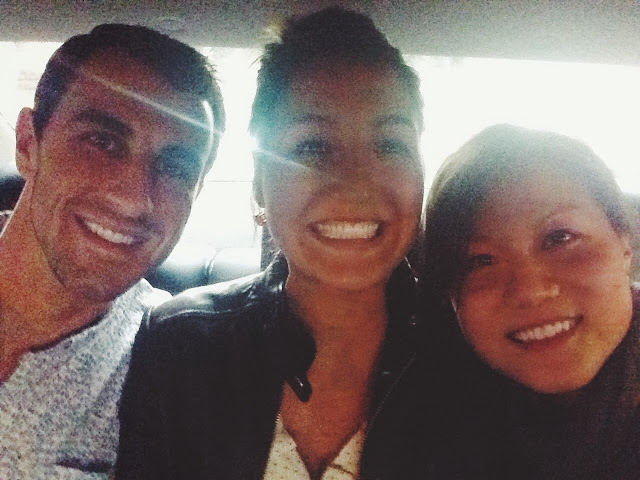
TPE – HKG – SF! Taxicab selfies are now a thing. 
I had lunch with Emily from Pearl’s wedding. She lived in SF and was trying to convince all her single girlfriends to move out there. 
“The odds are so much better for women in SF,” she said, “I heard it’s hard to meet someone in New York.” 
I nodded; I had heard the same thing. But a month later Emily would make it very easy for me to meet someone in New York. 
“What about POI? He’s offensive and so is Betty.” 

And the main event: Jaime’s Bachelorette party, which was supposed to be tame but ended up like this:

The bachelorette and a very drunk man who liked very much to “back it up.”  

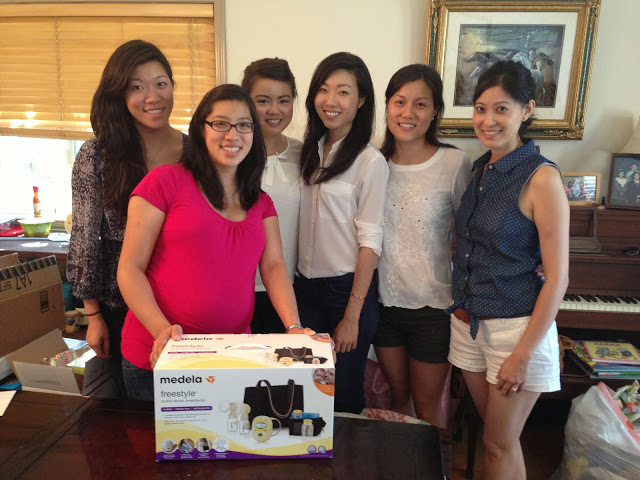
My cousin Wendy’s baby shower:

Remember earlier in the year she was in Vegas! 
And a quick succession of hangouts before I had to leave town: 
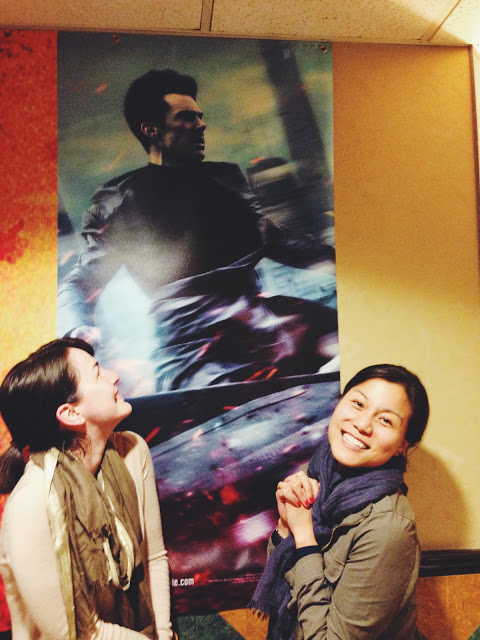
I watched a lot of movies with this girl, equally as obsessed with Benedict Cumberbatch as I was until we realized he was probably gay. But we still really like him. 

With cousin Michelle in Venice, aping an ape. 
At plate by plate with Enny, whose outfit was pretty much the talk of the town. 
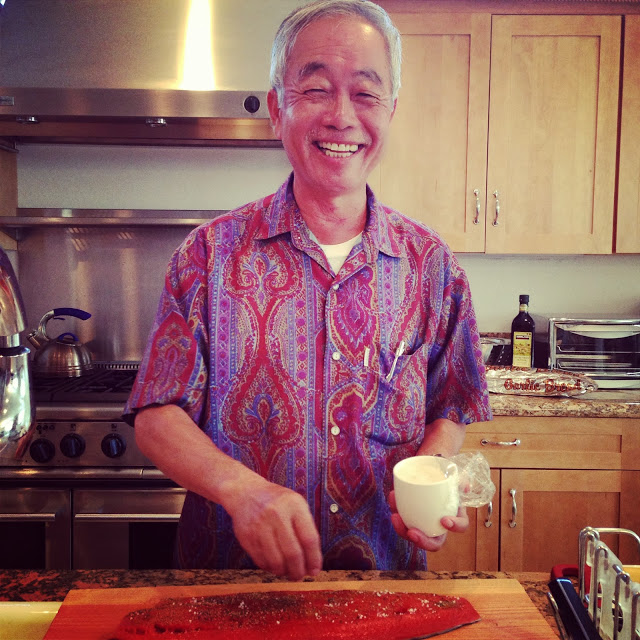
Billy’s dad salting seasoning their salmon during a random weekend at their mansion in Upland.  
With Angie and Lynn at a Phoenix International event. 
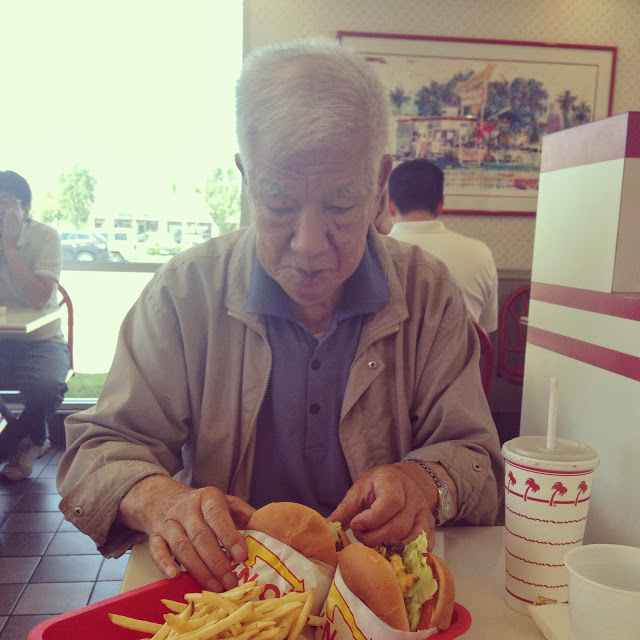
Getting In n’Out with Grandpa. 
With Auntie Linda, a few days before leaving. 
Pint-sized houseguests from Taipei. 
An impromptu mexican feast at Grace’s.  
Then, on August 17, 2013, I moved to New York. 
Well. Sort of. 
The early days. 
Grace and Charlene were there to help make things better. We went to HomeGoods and bought mirrors and lamps, you know, essential things. They helped me haul three giant boxes filled with Forever 21 crap up five flights, something the UPS guy failed to do. 
Best moving service ever 🙂 Way better than UPS. 
Then in my giant mess of an unfurnished room, we got ready for my first girls’ night out in New York. 
And it was never this messy again. 
Cleaned up and celebrating Charlene’s birthday belatedly, at Robert in Columbus Circle. 
And it was back to California for Jaime and Alvin’s beautiful wedding in San Clemente. I’ve known Jaime since middle school, when we met in science class and giggled together at the teacher’s giant armpit sweat stains. Four months later, she and her husband would fly through a snow storm and battle massive flight delays to visit me in New York. 
With bridesmaid Emy, also an old friend from high school and Jaime, one of the most low-maintenance brides in the history of brides. Emy and I always look like her bodyguards.  
I like to think that some of my photos were better than the wedding photographer’s. 
At the wedding, just as I was sitting down to dinner, Emily texted me. 
“Hey! I want to set you up with someone.” 
“I’m game,” I said, taking a bite of fish. 
A few minutes later POI texted, asking me to dinner sometime the following week. I’d let him know tomorrow, I said. First I had to eat cake and dance. I was at a wedding, after all. 
The next evening, I boarded a red-eye flight from Long Beach to JFK. And just like that, it was back to New York. For longer, for real. 

Photo Diary of 2013, Part 1

 At the end of each year, I go through my photos. This is what you do when you have a bad memory. I click through the folders, labeled by events or by season (big events – weddings, holiday parties, trips, etc., – have their own folders, while seasons, paired with a specific location, e.g. “Fall in New York” stand alone to represent the zeitgeist of the time). This year (and hopefully each year after), I’ve decided to share. It’s an effective way to remind myself of the people and places that matter and of that familiar paradox: how long a year is! And, how very very short.

Continue reading “Photo Diary of 2013, Part 1”

Travelogue: Photos of Jane Austen’s Bath

We arrived in Bath at 7PM. The sun had gone down and it seemed to be much later than it was. There was a slight drizzle, in keeping with the forecast which said it would rain much of the time, but I did not mind the rain. It seemed right that it should rain in Bath – the rain would dampen the town and intensify the color of things. Greens would be greener. The roads darker, the cobblestones shinier (and more slippery).

Continue reading “Travelogue: Photos of Jane Austen’s Bath”

Thanks, Giving

On my flight home for Thanksgiving, I flew Southwest with a stopover in Denver. I sat next to a woman from Denver who had just spent the past month nursing her daughter back to health. The girl was in most ways, an independent woman. She had graduated from Tulane University, moved to New York to work for a luxury carpet company and had done well enough to move into her own $2400 a month studio in the Lower East Side. Her mother said these things proudly until she came to her daughter’s condition. Something about the girl’s heart. She had fainted the other day and cracked her head open on the sidewalk. She had a swift surgery and with the help of her mother, was now recuperating. The woman did not want to leave her daughter for Thanksgiving, but the girl assured her mother that she had several friends who were staying in the city and that she’d be well taken care of. She had, over the five years she’d been building a life in New York, formed a strong circle of girlfriends, most of whom were either from Tulane or from Colorado. 
“So aside from that,” the woman said, “My daughter is doing really well in the city.” 
I nodded, wondering how many yards of carpet the girl sold each year to cover the cost of living. 
“But,” the woman said, “She can’t seem to meet a man.” 
The girl had, upon first arriving in the city, gotten into a relationship that cooled almost as quickly as it had gotten serious. The boy turned out to be, in the mother’s words, “not a very nice man.” He had what are known as wandering eyes, and hands. And lips. It was not a good first year for the girl, but she bucked up, threw herself into her job, strengthened her female bonds and was soon living the life of an independent young woman in New York with a wealth of contacts, nights out, favorite wine bars and lounges she could confidently rattle off to out of town visitors, and a strong if slightly dull career path – she was selling carpets, after all. But after that first fizzled romance there were only a string of measly dates or worse, half-assed bar pickups and no follow through. 
“I don’t know what it is,” the woman said, shifting in her seat, “She’s a great girl. Smart, funny, athletic. And I’m not just saying that because I’m her mother. Her friends are all great too…but none of them seem able to meet anyone. It’s bizarre.” 
We talked about their hometown. The girl was apparently quite good at keeping in touch with her childhood friends from home, most of whom had opted to return to Denver after college and most of whom were married by now. A few of them even pregnant or with children. 
“New York is a little different, I know,” the woman said, “But goodness how could all of her friends in Denver have found men and she just doesn’t seem to be meeting anyone?” 
The girl’s friends now, when they spoke on the phone or got together over holidays, tried to convince her to move home. The girl refused. She loved the city and she was convinced that she would find someone. 
Would she consider online dating? 
“I suggested it,” the woman said, “But she’s against it. She thinks it’s unnatural. And I don’t think it’s the best way, but if she’s going out and being social and meeting people in person and it’s not working out…I just think, why not give online dating a try? But she’s so stubborn. She gets mad when I bring it up.” 
I thought about my own experiences with online dating, some good, some bad, none of which turned out to be anything. I though too about my present situation with POI, which came about because of mutual friends. 
“Yes,” the woman said, “I have asked if she has friends or coworkers who could set her up, but honestly, all her coworkers are – she lowered her voice – gay, and all her friends are single too. They don’t have two eligible single guys to mush together, amongst the five of them.” 
“Timing and keeping an open mind,” I said sagely, though in truth I had and have not the faintest clue.  
The woman nodded, “I know. I know, that’s what I tell her. I think she’s too picky, but at the same time, I want her to be picky.” 
The flight attendant came by with our diet cokes and waters. There was an hour left in the flight. I would spend it asking the woman about her own marriage to a man who built mansions in the nicer parts of Denver. They had met through friends. The man liked her immediately but the woman was not so sure. They lived close by however, and one day, after the man had left for a month long trip, she realized she missed him. When he returned they began to date in earnest and a year later they were married. He built his houses. She was a school teacher. They had two children, the eldest, a son, who was married last year to a woman he met online and the girl, Leah, who channeled Flannery O’ Conner just a few hours before the woman left for the airport, “A good man is hard to find.” 
“Shouldn’t be,” the woman said, “Especially in a city like New York.”  
“But it is,” I said.   
The view outside John Wayne Airport, Terminal C. 

My father, a good man, drove with my mother at his side to pick me up from the airport.

“Your father washed and changed your sheets,” my mother said, “He knew you would not want to sleep in old dusty sheets.” 
I smiled at my father’s reflection in the rearview mirror. 
“I bought you a new set of suitcases too,” he said, “They’re in the garage. Let me know if you like them.” 
I clapped my hands, “You are the best,” I said, “The very very best.” 
A month before, upon returning from London, I had complained to my father about how heavy my old suitcases were. He had gifted them to me when I graduated from high school and was bound for New York. They were a distinct deep maroon, recognizable on the luggage belt from far away, and I had stuffed them mercilessly for the past ten years, dragged them around the world with me. But they were bulky, heavy even when empty. In London, POI had carried the suitcase up and down the stairs of our bed and breakfast in Bath and in and out of taxicabs. 
“That shit is ridiculously heavy,” he said. And I nodded, dreading hauling the suitcase back up to my studio when I returned home. Whenever I did, without fail, my arms would always be sore for the entire next day. 
When I returned from London and called to tell my parents about the trip, I mentioned in passing that my arms were smarting. 
“What’s wrong,” my father asked, “Did you get hurt?” 
No no, I said, the suitcase was just too heavy. 
“Well, come home and we’ll go pick out some new ones.” 
But he’d gone ahead and done it for me. They were sleek silver Samsonites – a set of two: one large and one carry-on. Light as a feather and with four wheels on the bottom for vertical rolling. I would travel in style. My arms would be spared. 
At home I spun the suitcases around, then happily brought them to my room, where the bed was made and my room was left just as I had left it. My father stood in the doorway, his arms crossed. 
“Happy?” 
“Very,” I said. 
I guess I brought it with me (the rain, if you can’t see it). 

It rained on Thanksgiving day. Loving as my parents are, they had other plans for Thanksgiving dinner, and I found (or invited myself) to dinner at uncle Jimmy’s house. I picked my grandfather up at 6PM. He had not wanted to go, preferring (outwardly) to stay home alone. Thanksgiving was very close to his wife’s passing and was the first holiday he spent without her. But he came with me and was seated next to the youngest member of the family.

Grandpa, who is a fussy eater,  and baby Caden, who is not. 

My uncle Jimmy carved the turkey (from Lucille’s – a delicious deal if you’re not in the mood to make turkey).

Uncle Jimmy, the turkey, and his trademark grin. 

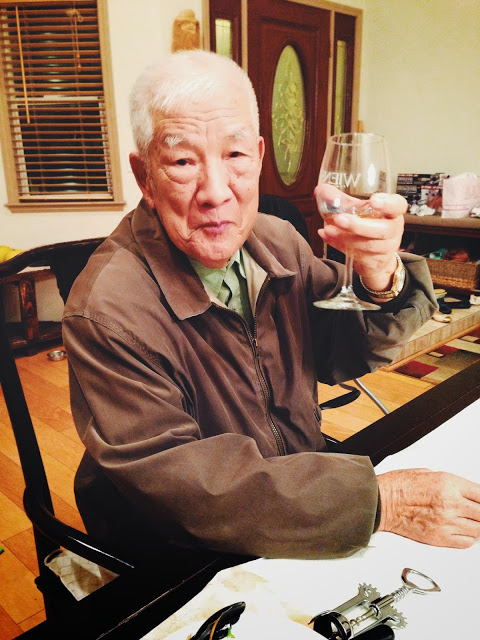
My grandfather had a shot of Jameson from a wine glass and began to giggle shortly afterwards. He was in a pleasant mood that night and I could tell he was glad to be there and not home alone.

“You talk too much, Betty,” is what he normally says. But on Thanksgiving, he simply said, “Cheers.” 
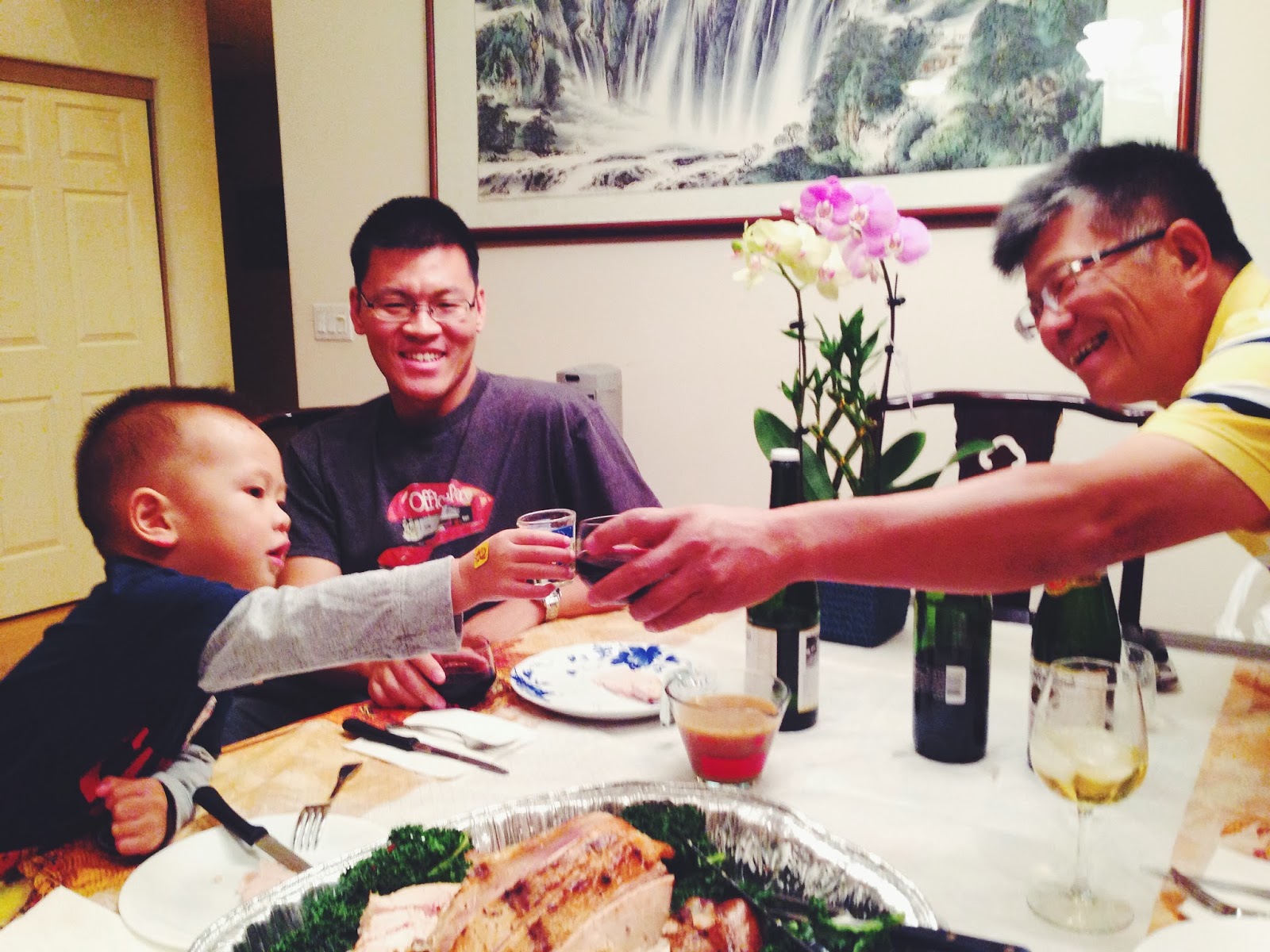
My uncle toasts his grandson. Good habits start early. 

The next morning, I woke to the sound of aerobic counting and found my mother, a family friend, Uncle Jimmy and my aunt exercising in the entryway. My aunt and uncle come over early at 7AM, as they’ve been doing ever since the summer, when my mother was diagnosed with Parkinson’s disease. Uncle Jimmy takes her and a family friend who also has Parkinson’s through a rigorous regimen of exercises. The point is to hold off on medications for as long as possible, and uncle Jimmy, who eats like a horse and drinks like a fish but is at his core a doctor of eastern medicine, drives an hour round trip every day to do this for his older sister before heading off to work or to teach more classes. My father makes breakfast for them afterward and that morning, he greeted me with a glass of freshly blended fruit smoothie.

“What fruits do you want in it?”

“Anything,” I said.

“I know just what you’ll like,” he said, and he was right.

When he learned my mother had Parkinson’s he watched her cry for a minute then told her calmly not to worry.

“I will put your shoes on for you when you are no longer able to,” he said.

My mother nodded, recalling that as a young woman she had dreamed about marrying a romantic man who would walk through the rain with her. My father hates the rain, but still, she had found that man.  

At the breakfast table, my aunt stirred her smoothie. “Your father is the nutritionist.”
“And uncle Jimmy is her trainer,” I said. 
My mother, her cheeks flushed and glowing, her forehead shiny with the faint sheen of sweat, smiled at the good men (and women) all around her. 
“A good man (like me) IS hard to find,” my father says. 

I took a walk on the road I always walk on. It had not yet started to snow in New York, but on that road it would not be strange to ask, “What is snow?”

A street near my street. 80 degrees that day. 

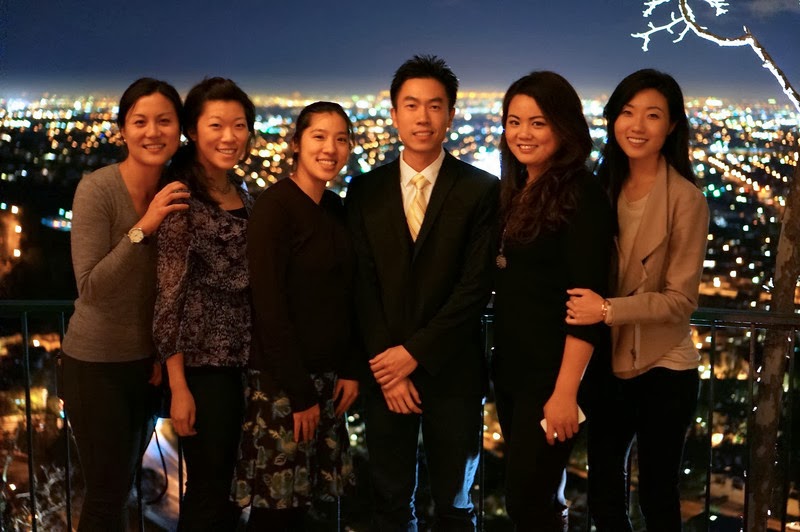
In the evening the entire family gathered at the Orange Hill Restaurant for Thanksgiving dinner after Thanksgiving. My brother and his wife were not there, but they were moving back from Shanghai and would join us for Christmas. We took many photos together, including the one below of the girl cousins and one male cousin-in-law, Lawrence, a new father to a baby girl. 

We looked at the photo and nodded to each other and to ourselves. Adults? Kidults? Whatever we were, we had turned out alright.

Cousins. And who is that stud? 

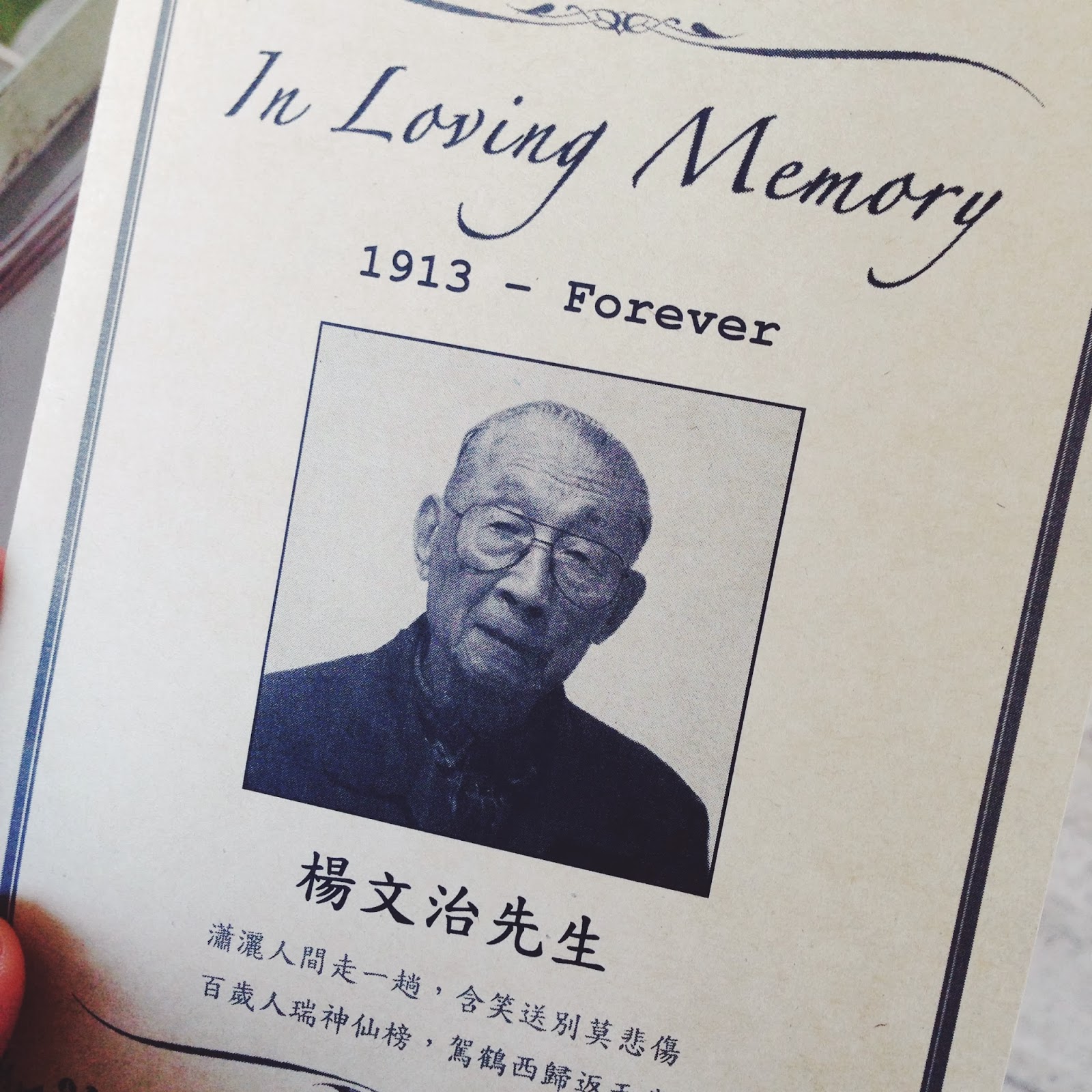
The next day, the family assembled again, though this time all in black. We found ourselves at the same cemetery and afterward, the same vegetarian restaurant as a little over a year ago, when my grandmother passed away. It was the funeral of a very peculiar man, my uncle Louis’s father who had smoked two packs a day until he turned ninety-six and simply decided to quit. He died quietly at 100, battling nothing really, but time.

Mr. Yang, Sr.: Laconic, stylish, (almost) everlasting. 

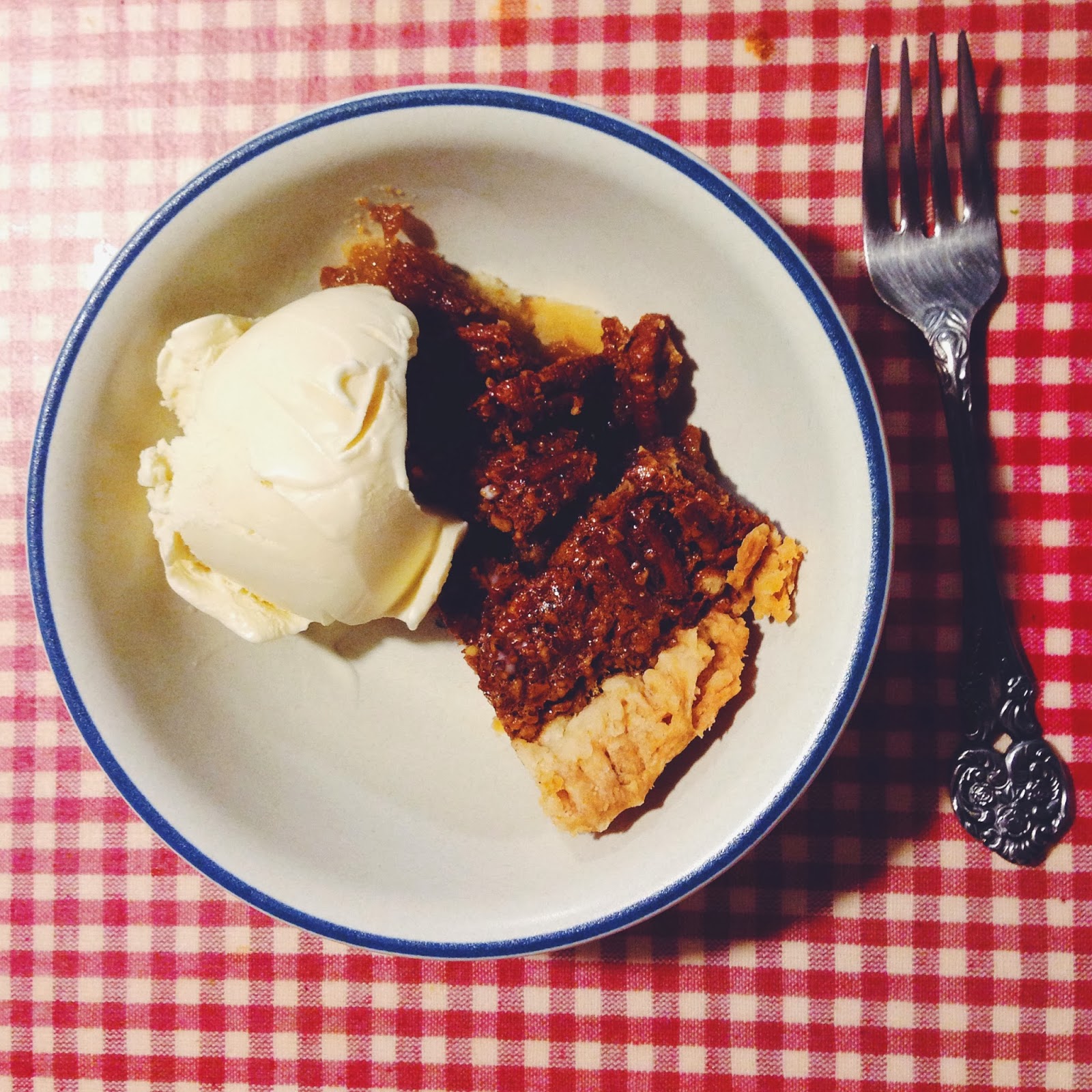
Later that evening, I reunited with my childhood friends in a childhood home for an annual leftover party, in which we simply show up and eat Grace’s leftovers. It is infinitely more scrumptious than I am able to make it sound. Smiling, Grace baked me a pecan pie.

She may be smiling, but she’s thinking, “The Chinese middle class can suck it.” 
Friends with pie. 

After dinner, we took turns holding her nephew, a child of improbable cuteness, and above his soft, fragrant head, talked about life and other things.

Modern Family 
One of us was working and considering buying a house. Two of us were in school, one for science, the other for art. The other made music on a daily basis, in a city whose tanned denizens said things like, “What is snow?” One of us was nearing the eighth year of her relationship and one of us was just stepping into her first. Two of us felt similar to the daughter of the woman I’d met on the plane. Bellies full, we moved to the couch and watched Jeopardy and then played charades, laughing like the kids we’d been in elementary school, where we all met. And now we had all returned to the same small town, nesting temporarily in our roots, looking up at budding branches. 
The End. 

Calling Home from a London Pub

In London, this past week, I visited POI for a second time. On my second night there – perhaps it was my third, I can’t remember – it occurred to me I ought to call my parents. We were on the second floor of a pub in Soho when the thought occurred and I told POI that I’d be back. He handed me his work phone, saying the signal was better, and I took it downstairs, past the bar which was, at 10PM, packed with tall, well-dressed British men. In the States I would have assumed they’d all just come from work, but it was a Saturday night and they seemed to just be dressed that way, regardless. It had been overly warm in the pub and I did not bring my coat with me, finding the cool air outside refreshing. I wondered what I would say to my parents as I dialed. My father picked up, as my mother was teaching her Saturday morning Chinese classes.

“How is it?” my father asked.

“Good,” I said, “We’re out with his friends right now. I just thought I’d say hello. I haven’t called in a while.”

“Well, we’re doing fine too,” he said, and then did the thing he always did when I asked about their weekend plans, which was list all their upcoming dinner engagements. It was going to be a busy weekend for them as well. He listed the usual suspects and the usual restaurants. Same old same old, he said, though I knew he looked forward to it.

POI and I were headed to Cambridge the next morning, and I told my father as much.

“Ah,” he said, “Well. Didn’t you want to study there at some point?”

I laughed. It was typical that he would remember something like this. Every elite school I had ever even just vaguely remarked about wanting to study at, he remembered: Harvard, Cambridge, Oxford, Yale, Brown, “Yeah, and I still do…just not sure what.”

“Oh please, please,” he said jokingly, “One degree at a time. Finish the one you’re working on now.”

“I know,” I said. A group of young, drunk teenagers walked by, some stumbling more than others. They laughed loudly just as they were walking by.

“Are you at a party?” my father asked.

“Outside a bar,” I said, “We’re heading over to karaoke soon.”

“They karaoke over there in England?” he said, “You went all the way to England to karaoke?”

“More or less.”

Other photos from that night are expectedly blurry.

On the curb next to me, three young Chinese people stood staring at their smart-phones, trying to make Karaoke plans of their own. They heard me speaking Chinese and took turns stealing glances in my direction. I smiled. Had they called their parents yet? I wondered what they were studying.

“Well,” my father said, “Enjoy yourself, I suppose.”

“I know, I will,” I looked up to the steamed windows of the second floor, where POI and his friends,- three Asian Americans and two Italians chemistry students – stood chatting around tall pints. I told my father goodbye and to not miss me too much.

“And you try to miss us a little more,” he said, “But thanks for calling.”

“No problem.”

“Oh,” something occurred to him.

“Hm?”

“Write something,” he said.

“What?”

“Write something,” he said, “About your time there. About Cambridge or London or England or whatever it is you’re going to do. And share it with me. I should like to know even though I still think the words on that website of yours are too damned small.”

I nodded slowly, taking in the scene before me on the street on a corner in Soho square, thinking about the people upstairs, all of whom I’d just met. I thought too about the songs I was about to sing in a small, dark room. Inside the pub, one of POI’s best friends in London was buying shots of tequila at the bar. Somewhere down the road, friends of friends were making their way out of the Tube to meet us. More shots waited at another bar. Poorly performed covers of Miley Cyrus. U2 and Taylor Swift and Backstreet Boys. Rent.

I would write, I told him.

We hung up and I went back inside, running into POI’s friend at the bar. He handed me two shot glasses and a small plate of lime wedges.

“Can you handle all that?” he said, “One of them is yours.”

I nodded, and carefully ascended the narrow stairs, spilling just a single drop of Jose Cuervo on my left hand. I was aware that I wouldn’t write anything that night. Or the night after. I wouldn’t write anything for the next two weeks.

On Relationships: Home For Thanksgiving

Last Wednesday night before Thanksgiving, Grace called and asked if I knew about the storm. 
“What storm?” 
I pulled back my blinds and peered out from my fifth floor studio. The uppermost branches of the side walk trees swayed in the rain that hadn’t stopped all day, but there was nothing that could be labeled a storm. Three hours before I had come home from Magnolia Bakery at Rockefeller Center, shivering from rain. I had asked the frazzled girl behind the counter if she could saran wrap the cupcakes for me. 
“I’m sorry,” she said, leaning over, “Can you repeat that? I can’t really hear you over all this.” 
She made a sweeping motion behind me towards the crowd – hoards of people all trying to do the same thing: get cupcakes back home for Thanksgiving. Around me tourists and locals pondered Red Velvet Rockette Cupcakes or Banana Pudding; paperback or hardcover cookbook; T-shirt or onesie? Little girls huddled together, their hair but not their spirits slightly damp from the rain while their dazed parents stood behind them, holding dripping umbrellas. They seemed to be reading the menus but I could tell they were wondering what made them think that coming to New York for Thanksgiving would be a good idea. Despite the rain, the streets (at least around Rockefeller Center) were packed. Umbrellas poked you in the eye or scratched you on the neck. In New York City, Black Friday began on November 1st. 
“Can you saran-wrap them?” I said again, “I’m taking them home to California.” 
She looked at me as though I was the luckiest girl in the world. I certainly felt that way, minus the thought of lugging paper boxed cupcakes home and across country. First world problems, I get it. The weather report said California was somewhere in the seventies. Not a drop of rain in sight. 
Grace snorted into the phone, “Don’t you read the news, Betty?” 
“I looked at the New York Times just a few minutes ago. It didn’t say anything about a storm.” 
“Yeah you looked at the news, you didn’t read it.” 
I imagined her comfortably ensconced next to our best friend Amy on the squashy teal colored leather couch of her childhood home. They would be wearing sweatpants, t-shirts.  
I scrolled through the NYTimes website again, but didn’t see anything about a storm. Weather.com told a different story. Apparently the east coast was getting huge dumps of snow. But in New York City, it had only rained. All day. Still, major flight delays were anticipated. I looked at the cupcakes I had strategically stacked in my carry-on. I wasn’t bringing anything else home except a collection of James Baldwin’s Essays, on which I had a final paper due. 
“Shit,” I said, “Well. No point worrying about that now. Either I’ll make it home for Thanksgiving or -” I glanced at the cupcakes, and briefly a depressing image flashed in my mind: me alone in my apartment on Thanksgiving day surrounded by cupcakes with candy turkeys on them. I shuddered at how tight my pants would be – “I won’t.” 
“Yeah,” Grace said, “Make sure you bring a good book to the airport.” 
We hung up and I went back to staring at James Baldwin, who was in the middle of describing the Christmas he once spent locked up in a Paris prison. There were worse things than being stuck in New York over a major family holiday. But still, I had not missed home since arriving here at the end of August. I had not missed home until home was a day, a potentially delayed or cancelled flight away. 
——
On Thanksgiving Day, I woke up and lay still in bed, listening for sounds of a storm. But there were none, just some cheerful chatter on the sidewalks below. Sunlight poured in through my windows. The storm, if it had come at all, had passed. 
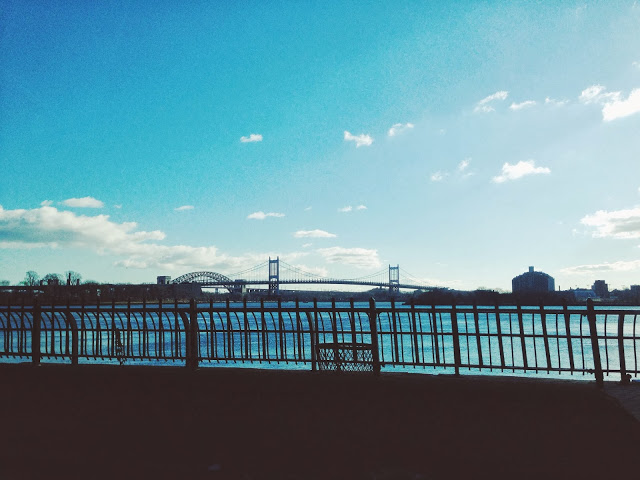
The view while leaving New York. 
The cab driver was from Kashmir. He arrived ten minutes before my requested time and groaned in mock protest when I asked him to wait ten minutes. 
“It’s Thanksgiving, lady! What you want to keep me from my family? You think you’re the only person who has to go home for the turkey?” 
I ran down the stairs, trying not to jostle the cupcakes or break my neck and apologized as I slammed the car door. He was smiling. 
“Oh you rush! No need!” he said, “I joking with you. But I guess you cannot tell over the phone. I ate my Thanksgiving dinner already.” 
He was in his mid sixties with curly once-brown hair and smiling, amiable eyes. Just an hour before, he’d left his house to begin his afternoon shift, mostly shuttling last minute stragglers like me out of town. His home had been quite lively when he left it: he had three grown children, all of whom were he said, “Doing good things, having good children.” 
“But still,” he said, “Even though they grown, when they come home, they are your children. They are always your baby children, no matter how old they are.” 
I nodded, knowing the feeling well. It is both a fear and a fallback and why I intend to stay in New York or move elsewhere – anywhere but back with my parents – after my program is finished. It sounds like the next logical step, but I know how comfortable life is back home and how well practiced I am to close chapters in cities far away only to reopen the doors of my parents’ home. 
“Just the other day,” the driver continued, “I went to see my mother and she told me to clean my plate like I was a five years old boy! I’m old man now, a grandfather! And still when I go home I become my mother’s baby. She told me to clean my plate just like she did when I was small boy, told me to clean it so the plate looked like there had never been food on it!” 
I laughed. He moved his hands with such emphasis and I could imagine his mother nagging him in Kashmiri, though I had no idea what the language sounded like. 
“My parents don’t nag me at all anymore,” I said, “And I don’t think they treat me like a child…” 
I revisited a long impromptu phone conversation I had with my father the week before. While browsing through West Elm I remembered to call him back regarding our Thanksgiving arrangements at Orange Hill Restaurant. I ended up wandering the two-story Broadway store for an hour and a half while we talked at length about school, writing, and POI. 
We discussed in detail the particulars of a possible thesis which I’d gone over with my professor the day before – a collection of essays with a spine, as she put it: a theme and tying them together, a story arc. Many essay collections lacked this, my professor warned, especially from new writers. I tended, she observed, to write largely about two things: family and relationships. I preferred to keep the two separate, but she didn’t see why I should.
“Your family is obviously a huge part of how you developed your view of relationships. They are very much at the back of your head when you write about relationships. I don’t think they ought to be kept separate at all,” she’d said. 
My professor and I discussed too, the market for someone with my particular “angle,” meaning, a twenty-seven year old woman with no prior history of having been in a serious relationship. 
“You’re far from the only one,” my professor said, “You might feel sometimes like a fish out of water but trust me, I’ve been listening to my friends, students, friends of friends… it’s a strange but increasingly common thing.” She thought for a moment, “Maybe not that strange.” 
“Market,” my father repeated, “Angle.” These were words he could wrap his head around. Publishing is after all a business and my father is a businessman. As I wandered through the recently discounted holiday bakeware and organic sheets, explaining the practical aspects of publishing: finding an agent, working with an editor, and marketing a book, I could feel him opening up, trying to view my mysterious world through his clear, practical lens. It made sense to him, he said, that the professor was telling us to keep our audience in mind and he set out to give me pointers. 
“Maybe you could organize your book by theme, or contrast the relationships people had back then, like your grandparents, your mother and I, versus the ones you’re seeing or aren’t seeing now among the people in your generation.”
I nodded, wondering if my father was watching TV at the same time, though it didn’t appear so. 
“If you think about it,” he continued, “You see so many types of relationships around you. Look at your mother’s parents versus my parents. Look at your different sets of aunts and uncles. Look at your brother and his wife, and now you and, what’s his name?” 
I reminded him, surprised that he brought POI up at all. My father is not one to talk about things like relationships and for the most part never refers to POI or when I do, says, “Who?” or calls him “That guy in London.” 
“Right,” my father said, “That guy.” 
We discussed my thesis for another half hour and I felt both in and outside the conversation, wondering at when the change, if there was indeed a change, occurred. I was never once frustrated and like creative partners discussing a new business venture, we batted around ideas. My father is a reader too. 
At some point I reminded my father that I was going back to London a week after Thanksgiving. 
“What are you doing that for?” 
“I told you,” I said, “To visit -“
“-that guy in London. Right, right.” 
“You’re okay with it?” 
“Am I okay with it?” my father snorted, “You’re going to go anyway. When did I ever – no, have I ever stopped you from going anywhere to see anyone?” 
“No, I guess not.” 
I squeezed past a young couple who were studying a stainless steel wall clock. I wondered if they were just dating, engaged, or married. They both still had their gloves on. 
“I do want to say though, Dad,” I lowered my voice even though I was speaking in Chinese, “I appreciate that you trust my judgment. And I wouldn’t be going if I didn’t trust him.” 
“Good,” my father said, “This is very important. You must be careful.” 
I nodded, murmuring assent and watched as the couple left the clock and split up, the woman heading towards a rather busy looking ornament display and the man towards bedding. Perhaps they’d meet at the register with items of vastly different purpose. One functional, one purely ornamental. One on sale, the other full price. One perennial, incapable of being broken, the other seasonal and fragile, needing to be wrapped in tissue paper and put away after the New Year.  
“What do you like about this guy in London?” 
Good question, Dad, I wanted to say, this is something I often ask myself. Not because I didn’t know but because more and more I was surprised by the answers. 
“We have good conversation,” I said. 
“You have good conversation with a lot of people.” 
True. I have good conversation with strangers on planes, trains and in hospital waiting rooms. This did not mean they were good relationship material. I remembered too a recent video chat I had with POI in which he fell asleep for five minutes while I left the screen for a few minutes to take banana bread out of the oven.  
“I guess it’s a bunch of things. Mostly,” I said, “He makes me laugh, makes me feel safe.” 
“Humor is important because you are a humorous girl,” my father said ‘humor’ in English, “Because your father is humorous.” 
“Actually,” I said, “In some ways he reminds me of you too.” 
“How so?”
“He says what’s on his mind, for one thing… doesn’t seem to care too much if he offends people.” 
“Ah yes,” my father said, “Beating around the bush is a waste of time.” 
“Yeah,” I said, “He’s not shy about making fun of me and can handle it too, when I make fun of him.” 
“Oh that’s important, especially for your kind of humor.” Again, ‘humor’ in English, “It’s no fun to be with someone too sensitive. If they can’t take a joke, it’s no fun.” 
“Yup.” 
 “But really,” my father said, “How can anyone compare to me? They don’t make them like me anymore.” 
I laughed, arriving at the very adult stage where your father’s cheesy jokes no longer aggravate and only endear. 
“So you think you are an adult now,” the driver said, as though reading my thoughts, “You think you are an adult going to visit your parents, but I know (he wagged his finger in the rearview mirror), I tell you now, you will feel just like a baby again when you’re home.”
I watched as the city rolled away and thought ahead to the drive from John Wayne Airport to The Park. I could see the streets: MacArthur followed by the curve of the 405 and the normally congested connection to the 55. I could anticipate the smell of my father’s car and the jerky way he braked and accelerated. If my mother went to the airport with him, I would sit tin the back and feel briefly, like a kid again. If my mother didn’t come and I sat in the passenger seat, I’d still feel like a kid. 
“This is the natural way,” the driver said, chuckling to himself and thinking perhaps of all the plates he’s cleaned in his mother’s presence, “Perhaps until your parents not there, this is the way it will always be.”